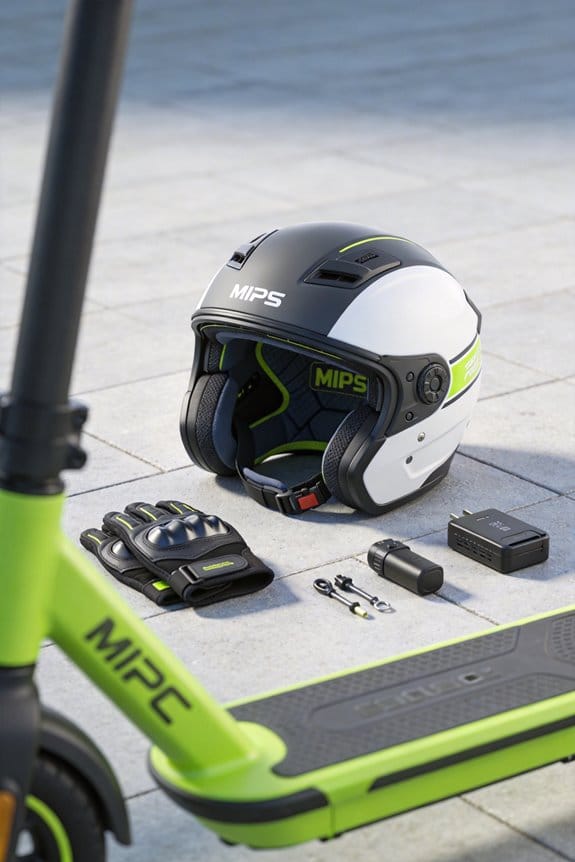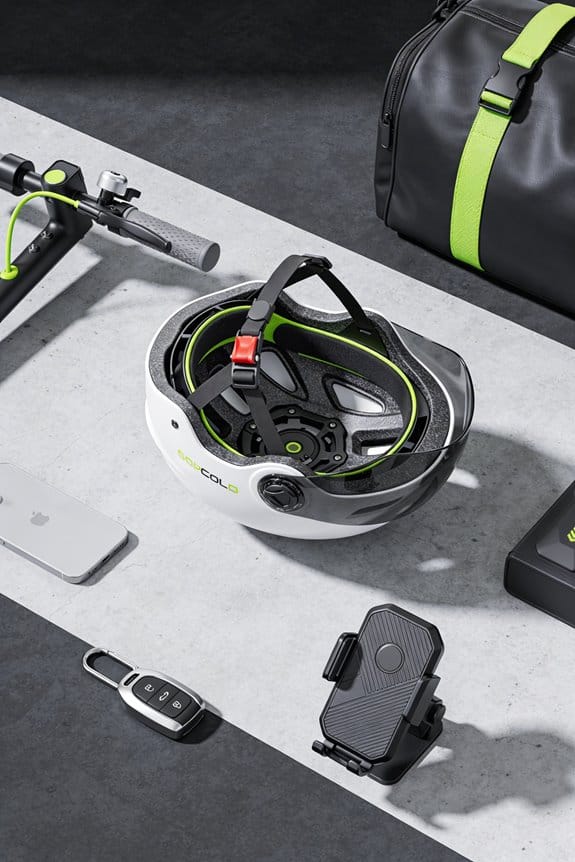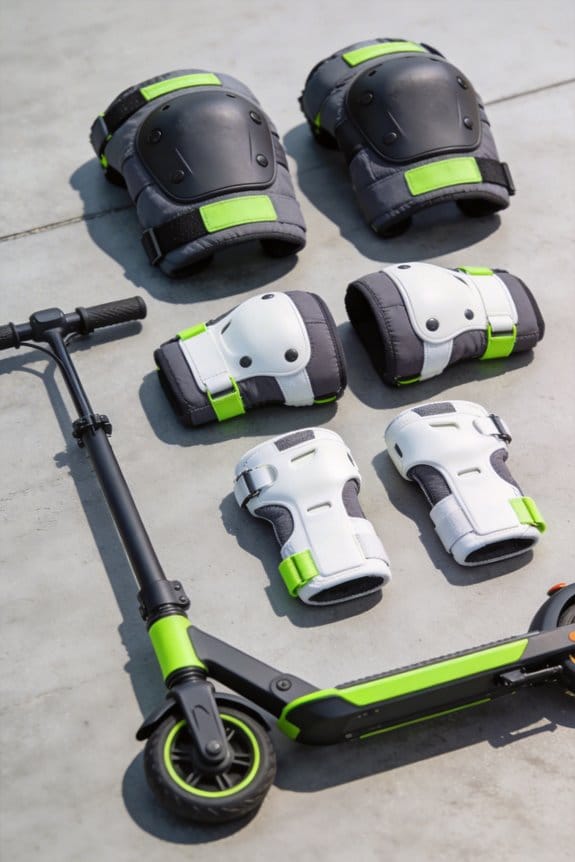
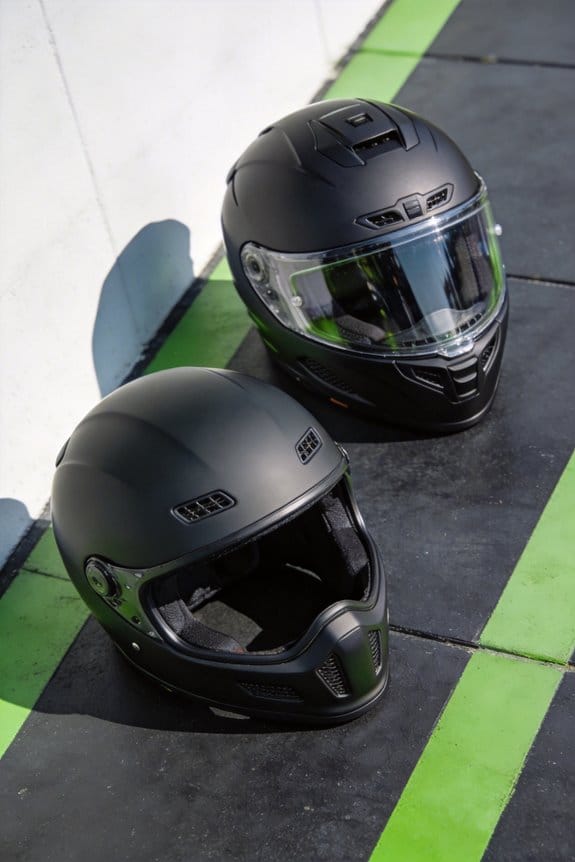

I recommend a full‑face helmet for most urban commutes because it covers the chin, jaw, and temples, cutting head‑injury risk about 64 % versus half‑helmets and 36 % versus open‑face models. The EPS liner meets ECE 22.06 standards and absorbs impact energy. Full‑face helmets also lower wind noise by up to 15 dB and keep the visor fog‑free with Pinlock coating. They add a bit of weight, which can increase neck load, but quick‑release straps let you remove the helmet in under three seconds. If you want more detail on speed, weather, and fit, keep going.
Key Takeaways
- Full‑face helmets reduce head‑injury risk about 64 % versus half‑helmets and 36 % versus open‑face helmets.
- Open‑face helmets expose chin and jaw, increasing facial injury risk in low‑speed crashes.
- Full‑face helmets increase neck loading due to higher mass and rigid shell; open‑face helmets are lighter, lowering cervical strain.
- Full‑face helmets provide better wind and rain protection, while open‑face helmets offer superior ventilation for short, hot rides.
- For urban commuting above 25 km/h or in wet conditions, full‑face helmets are safer; for speeds under 20 km/h in hot weather, open‑face helmets may be acceptable.
Why Full‑Face Helmets Reduce Head‑and‑Neck Injuries
Ever wonder why your head feels like a brick after a city ride? When you strap on a full‑face helmet, it wraps around your forehead, temples, and chin, so the shell takes most of the hit. The impact spreads over a larger area, which cuts down the peak force on your skull. Plus, the chin and jaw stay locked, keeping your head from whipping around and lowering the chance of a secondary concussion.
Frankly, the numbers back it up. Full‑face models slash head‑injury risk by about 64 % compared with half‑helmets and roughly 36 % versus open‑face helmets. That’s a big difference when you’re zipping through traffic at higher speeds. Here’s the trick: pick a helmet with a certified EPS liner, a snug retention strap, and a visor that resists fog. Those details help protect both head and neck during those longer city rides.
Worth knowing:
- A certified EPS liner absorbs impact energy.
- A secure strap keeps the helmet from shifting.
- Anti‑fog visor keeps your vision clear.
If you’re still on the fence, think about the extra safety margin you get on those rainy mornings when visibility drops. A solid full‑face helmet can be the quiet guardian that keeps you rolling safely. Ready to upgrade your ride?
How Open‑Face Helmets Leave the Chin and Jaw Exposed
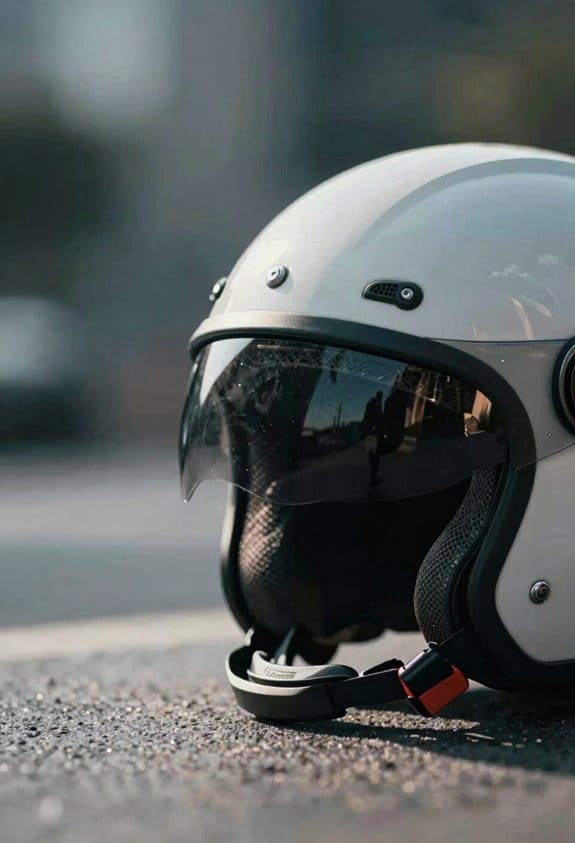
Ever tried riding through downtown and felt the wind rush past your face, only to wonder if that open‑face helmet is really keeping you safe? You love the breeze, but a sudden bump can send your chin straight into the pavement. The truth is, without a solid front shield, the chin and jaw get the shortest end of the stick.
The shell does protect the top and sides, yet the gap in front leaves your face exposed. A low‑speed crash at 20 km/h can bruise or even break the jaw, and the helmet can slip off if the strap isn’t tight. A detachable visor can add a bit of coverage, but it still won’t match the protection a full‑face helmet gives.
Fair warning: if you ride in city traffic, you might enjoy the airflow, but you also need to accept the higher risk of facial injury. Look for helmets with ECE 22.06 certification, a snug fit, and a secure strap that stays put. Here’s the trick: try a helmet with a removable visor and test it out on a short ride before you commit.
- Check that the helmet meets ECE 22.06 standards.
- Make sure the strap is tight enough to keep the helmet from wobbling.
If you decide the open‑face style fits your vibe, just be aware of the trade‑off between comfort and protection. You’ll still be safer than riding bare‑headed, but a full‑face helmet would give you that extra layer of security.
Why Full‑Face Helmets Transfer More Force to the Neck Compared to Open‑Face
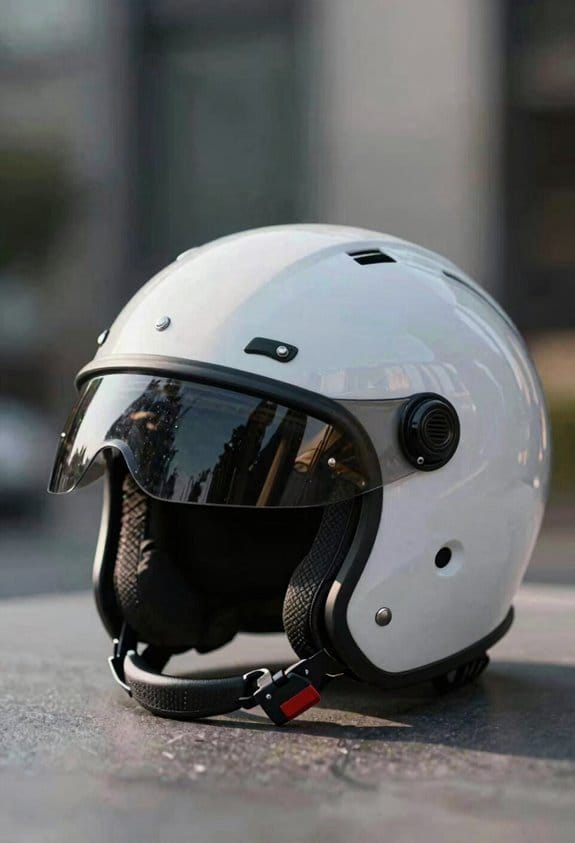
Ever wonder why a full‑face helmet can feel like a neck‑breaker after a bump? When you’re riding and the shell and visor lock your head in place, the crash energy goes straight through the helmet and into your neck. The extra weight adds inertial loading, so your head has to stop fast, pulling the neck forward in a sudden flex. That rigid shell also creates a moment that transfers from the top of your head down to the lower spine.
Frankly, an open‑face helmet is lighter, so its inertial loading is lower and your head can move a bit more freely. That freedom cuts down on the cervical flexion and the moment transfer that can strain your neck.
Here’s the trick: pick a full‑face model that uses a low‑mass composite shell, has a comfy inner padding system, and features a quick‑release visor for city rides. This combo gives you solid protection while keeping neck stress in check.
- Look for a shell made of carbon‑fiber or other lightweight composites.
- Choose a visor that snaps off quickly if you need to get it off in a hurry.
Worth knowing: the right fit matters more than anything. A snug but not tight fit lets the helmet do its job without adding extra pressure on your neck.
Full‑Face vs Open‑Face: Which Keeps You Cool on Stop‑and‑Go Streets?
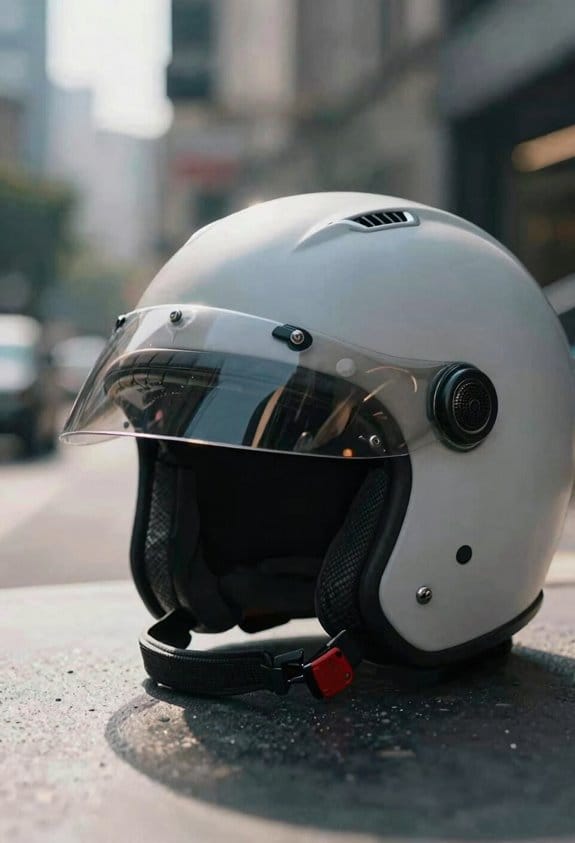
Where does the heat go when you’re stuck in traffic? I feel the sweat build up quickly in a full‑face helmet because its ventilation patterns are limited. The inner channels are few, and the visor airflow is blocked by the face shield. In an open‑face helmet, the vents line the top, sides, and rear, creating a steady stream of air that carries heat away. The larger opening lets the wind reach my cheeks and neck, so I stay cooler during stop‑and‑go rides. I choose an open‑face model with at least four vents, a removable visor, and a mesh liner for extra airflow. This setup reduces temperature by up to 5 °C in city traffic, making longer commutes more comfortable.
Frankly, the difference shows up the first time you hit a red light. A full‑face can feel like a sauna, while an open‑face feels more like a breezy walk.
Worth knowing: look for helmets that list the number of vents and mention a mesh liner. Those features usually mean better airflow.
Try this: pick a model with at least four vents, a removable visor, and a mesh liner. You’ll notice the heat drop faster than you expect.
What’s the best way to stay cool on those endless city rides?
Stay comfortable, and enjoy the ride.
Full‑Face vs Open‑Face: Noise Reduction and Fog‑Free Vision Benefits
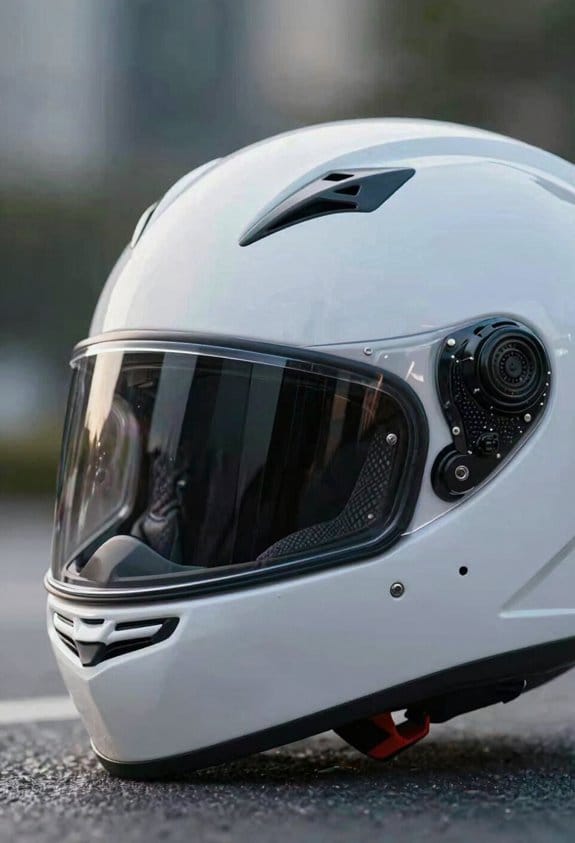
Ever found yourself stuck in rush‑hour traffic, trying to hear your GPS while the wind whistles past your ears? You’re not alone—choosing the right helmet can change how you experience those noisy commutes.
When you pop on a full‑face helmet, you’ll notice the engine and wind noise drop by as much as 15 dB. That’s a big difference, especially if you rely on navigation prompts or love listening to music without turning it up. The solid shell blocks street honks, revving engines, and gusts, so your ears stay quieter. On the flip side, an open‑face helmet lets more sound in, raising the noise level by about 5‑10 dB. You’ll feel more alert, but you might have to crank up your earbuds to drown out the chatter.
Fair warning: fog can ruin a ride just as fast as noise. Full‑face helmets often come with a Pinlock visor that keeps the glass clear on rainy mornings. You won’t have to keep wiping or spray anti‑fog fluid every few minutes. Open‑face models usually have a simple clear visor that fogs up when humidity spikes, which means you’ll need a quick wipe or a spray to stay safe.
Here’s the trick: think about what matters most on your daily trips. If you value a quiet, fog‑free ride, a full‑face helmet is the way to go. If you prefer airflow and want to be able to pull the helmet off fast, an open‑face might suit you better.
- Full‑face: up to 15 dB noise reduction, Pinlock visor, better for rain.
- Open‑face: more airflow, easier removal, but higher noise and fog risk.
Consider the weather, your commute length, and whether you often use navigation cues. The right choice can make those city rides feel smoother and safer.
Full‑Face vs Open‑Face: Fit and Retention Systems That Matter
Ever tried a helmet that feels great at first, then slides off when you hit a sudden stop? That’s the kind of hassle that wipes out all the high‑tech perks like fog‑free vision.
I’m all about checking strap durability. A quick pull on the chin strap should feel solid; a good buckle can take about 5 kg of force without stretching. When you press the inner foam, it should stay firm and not flatten after a week of rides.
Full‑face helmets usually have a dual‑lock system—one click‑lock at the chin and another at the side. That setup keeps the helmet snug when you brake hard. Open‑face models often come with a single strap, but a padded inner liner can still give you a tight fit.
Try this: put the helmet on for about ten minutes, turn your head side‑to‑side, and listen for any movement. If you feel any shift, the fit isn’t right.
- Look for a high‑grade strap that won’t stretch.
- Choose a liner that stays firm under pressure.
A solid strap and a low‑compression liner are the keys to reliable retention.
Do you want a helmet that stays put, even on the roughest rides? Give these checks a go and see how much safer you feel.
Full‑Face vs Open‑Face: Speed, Weather, and Commute Length Considerations
Ever wonder why your helmet feels right one day and wrong the next?
When you’re cruising over 25 km/h, a full‑face helmet usually does a better job. The visor shields your face and cuts down wind drag, so you won’t feel as tired on a 30‑40 km/h ride. If you tend to stick under 20 km/h, an open‑face can be plenty comfortable and lets the air flow.
*Frankly,* the weather matters a lot too. On rainy mornings, a full‑face visor with an anti‑fog coating keeps the spray out, and the seal blocks gusts that would otherwise push against you. When it’s hot and you’re only going a short distance, the open‑face gives you that cooling breeze you crave.
Worth knowing:
- Full‑face helmets hold heat better, which is great for long commutes over 15‑20 km because they mute road noise and keep you snug.
- Open‑face helmets stay cooler and feel lighter on brief trips, especially when the sun is beating down.
If you plan a long ride, think about the extra heat a full‑face traps. It can actually make you feel more comfortable after a while, as the wind noise drops and the helmet stays snug. On the flip side, for a quick dash across town, the open‑face’s airflow can keep you from overheating.
*Try this:* match your helmet to the speed, weather, and distance you expect. When the forecast calls for rain and you’ll be hitting 30 km/h, grab the full‑face. If it’s a sunny, 10‑minute hop at 15 km/h, go with the open‑face for that fresh feel.
Got a favorite helmet for your daily grind? Let’s hear how you balance speed, weather, and comfort.
How Fast Helmet Removal Affects City‑Ride Safety?
Ever get stuck at a red light, helmet on, and wish you could ditch it in a flash? That pause can cost you safety, especially when you need quick access after a crash. A well‑designed lock lets you snap the strap open in about two seconds, even if you’re wearing gloves. Good dexterity helps you pull the chin bar, lift the visor, and slip the helmet off without fumbling.
Full‑face helmets with a single‑pull release shave off roughly 1.8 seconds compared to open‑face models that need a two‑step buckle. In delivery work, you might have to drop the helmet for a quick break; a fast‑release system can cut that downtime by about 30 %. Choose a helmet that balances solid protection with a lock mechanism that supports quick removal.
Worth knowing:
- Look for a single‑pull release on the chin strap.
- Test the helmet with gloves on before you buy.
Try this:
- Practice pulling the strap and lifting the visor a few times at home.
- Time yourself; if it takes more than three seconds, keep looking.
Frankly, a helmet that’s easy to get off can be a lifesaver when you need to act fast. Your safety and your workflow both benefit from a quick‑release design. So, which helmet will you pick for your next ride?
Frequently Asked Questions
Does Helmet Color Affect Visibility in City Traffic?
I’ve seen a study showing bright helmets cut cyclist‑car collisions by 23%. Using high‑visibility fabrics and reflective stickers boosts your profile in city traffic, so drivers spot you earlier and react safer.
How Often Should I Replace a Helmet After Minor Impacts?
I replace my helmet after any minor impact once I notice cracks or the internal foam feels compressed, because helmet lifespan shortens quickly; regular impact monitoring helps me decide when it’s time.
Are There Legal Requirements for Helmet Types in Urban Areas?
I’ve checked the helmet regulations, and they differ by city, so you’ll need to verify local variations—some areas require any certified helmet, while others mandate specific standards for urban riders.
Can I Use a Full-Face Helmet With Prescription Glasses?
I’ve worn a full‑face with my glasses, and it works fine if I use lens inserts and make small frame adjustments to keep the visor clear and the fit comfortable while riding.
What Maintenance Keeps the Visor From Scratching?
I keep the visor scratch‑free by cleaning it gently with a microfiber polishing cloth, then applying an anti‑fog spray that also leaves a protective film, and storing the helmet in a dust‑free bag when not in use.