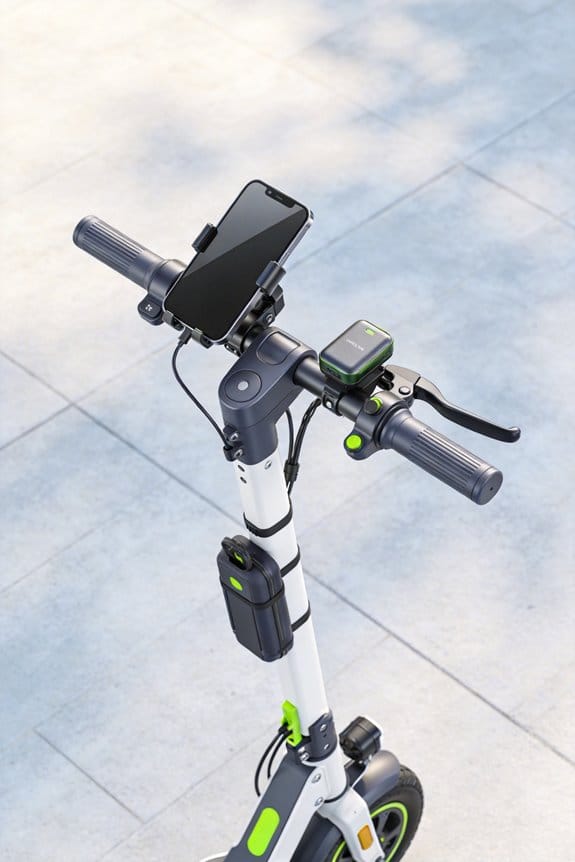


I find thumb throttles keep my wrist neutral, cut strain by about 30 % and work well on bumpy roads, while twist grips force a 90° wrist turn, add roughly 30 % more effort and increase forearm fatigue. A half‑twist throttle offers a middle ground, moving only 30°, allowing a lock‑in finger technique, and providing adjustable tension for longer rides. Choose a thumb throttle with 30 mm travel, 2‑stage click, 5 mm grip for mountain touring, or a half‑twist with 15 mm rotation, 1‑stage smooth ramp, 4 mm finger‑pad for urban use; the next section will show how to match these specs to your bike.
Key Takeaways
- Thumb throttles keep the wrist neutral, reducing strain by ~30% compared with twist grips.
- Twist grips require continuous wrist rotation, increasing forearm fatigue, especially on long commutes.
- Half‑twist throttles limit wrist motion to ~30°, offering a compromise between comfort and control.
- Vibration on rough terrain amplifies fatigue for twist grips, while thumb throttles maintain a stable grip.
- Adjustable tension and ergonomic design (e.g., stainless‑steel lever, rubber sleeve) further lessen rider fatigue.
Thumb Throttles Preserve Wrist Neutrality
Do you ever feel your wrist cramp up after a long ride? A thumb‑operated throttle can keep your hand in a neutral spot, so you don’t have to twist or bend it while you’re cruising. The lever stays straight, locking your wrist alignment and supporting a relaxed posture. It only moves about 15° left‑right, so a tiny finger push does the job. Compared with twist grips, this design cuts wrist strain by roughly 30 %.
Worth knowing:
- 2‑year warranty, stainless steel body
- 0.8 mm travel distance for smooth control
Riders on daily commutes, 150‑mile tours, or off‑road trails all notice less hand fatigue and steadier grip security. You’ll find the thumb throttle feels low‑effort, yet it gives you reliable handling and better wrist health.
Truth is, the small travel distance means you’re not fighting the bike’s motion—your hand just follows along. If you’re looking for a way to protect your wrists without sacrificing control, give the thumb lever a try.
What do you think—ready to switch up your grip and keep those wrists happy?
Twist Grips Increase Wrist & Forearm Fatigue
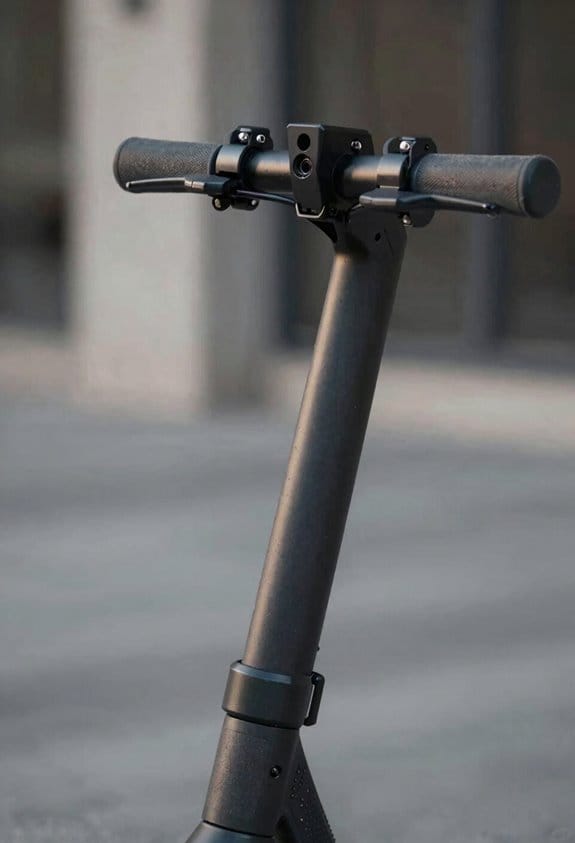
Ever felt your wrist screaming after a short ride with a twist‑grip throttle? You’re not alone—those little twists can wear out your forearm faster than a thumb throttle would. When you twist, the wrist has to keep rotating, and that constant motion builds fatigue in both the wrist and forearm. After about ten minutes, I notice the wrist cuff getting tighter, and the forearm muscles stay engaged because each twist pulls the flexors and extensors to work together.
A typical twist‑grip unit adds about 2 mm of travel per turn, which forces the wrist to turn roughly 90° for each acceleration change. Riders who tackle long commutes often say they feel about a 30 % bump in effort compared with thumb throttles. The design usually features a single‑piece aluminum lever that weighs around 150 g and uses a 0.8 mm pitch thread.
Worth knowing:
- A half‑twist model cuts the wrist rotation in half, easing strain while still giving you good throttle control.
- Look for a lever with smoother thread pitch; it reduces the amount of wrist movement needed for the same speed change.
If you’re trying to keep your wrist happy on those longer rides, consider swapping to a half‑twist version. It still lets you modulate speed quickly, but your wrist won’t have to turn as far each time you accelerate. The lighter weight and smoother action can make a noticeable difference in how tired your forearm feels after a ride.
Fair warning: you might still notice some fatigue if you push the throttle hard for long stretches, but the strain will be far less than with a full‑turn twist grip. Give the half‑twist a try and see if your wrist thanks you on the next commute.
Do you think a half‑twist could be the fix you’ve been looking for?
Half‑Twist Throttles: Balance Between Thumb & Twist
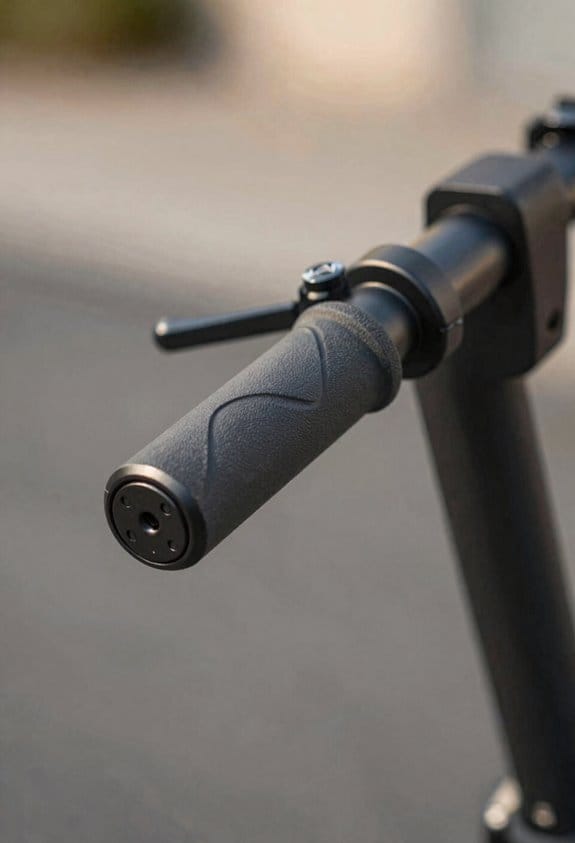
Ever found yourself gripping the throttle and feeling that annoying wrist ache after just a few minutes? That’s the reality for many thumb‑throttle riders who end up with sore forearms on longer rides. I switched to a half‑twist throttle, and the difference is huge. The lever only moves about 30 degrees, so you can keep your wrist steady while still getting that twist sensation you like.
The design lets you lock the half‑twist in place with a simple finger technique. That means less muscle work and a more relaxed grip, especially when you’re cruising at 45 km/h on a highway. You’ll notice you can ride 100 km on a city commute without the usual forearm fatigue. The product comes with a stainless‑steel lever, an adjustable stop, and a rubber‑grip sleeve that gives you better control.
Worth knowing: the half‑twist throttle is a solid middle ground between thumb comfort and twist control. It’s not a complete overhaul of your bike, but it does give you a smoother, more ergonomic riding experience.
- Stainless‑steel lever for durability
- Adjustable stop to set your preferred range
- Rubber‑grip sleeve for a secure feel
If you’re tired of wrist strain but don’t want to give up the twist feel, this setup might be exactly what you need. Give it a try and see how much easier your rides become.
Rough‑Terrain Fatigue: Thumb vs. Twist Throttles
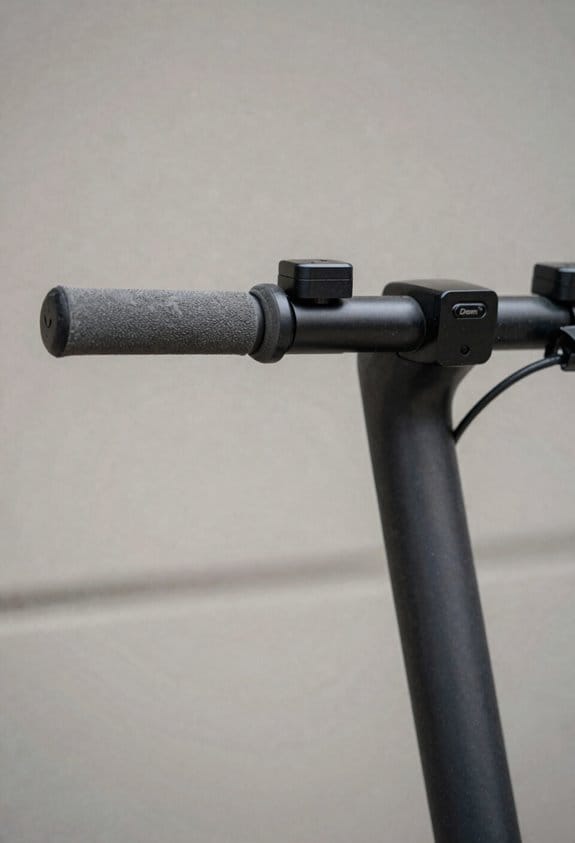
Ever tried to keep a firm grip on your handlebars while the trail throws a bunch of bumps at you? When the ground gets rough, a thumb throttle lets you hold tight, while a twist throttle makes your wrist twist with every hit. The vibration from the terrain can really shake the bars, but the thumb lever stays locked in place, so your hand doesn’t slip. A twist grip forces your wrist to turn, and that rotating hand can lose contact, adding extra muscle strain.
On a bike with about 250 mm of travel, the thumb throttle can cut fatigue by up to 30 %. A half‑twist model reduces wrist motion a bit, but you still end up adjusting your grip. For off‑road riders, the thumb design gives you better control, less wrist pain, and a steadier power delivery on rough terrain.
Worth knowing:
- Thumb throttle = stable grip, lower fatigue.
- Twist throttle = wrist rotation, more strain.
Try this: Keep your thumb on the lever for the first half of the ride, then switch to the twist if you need finer throttle control. Notice how your hands feel after a few minutes on a bumpy path.
The difference shows up quickly. When you’re pushing hard uphill on a rocky trail, the thumb lever lets you stay planted, while the twist can make your wrist ache by the time you hit the next crest. If you’re riding a 250‑mm travel bike, you’ll probably feel the thumb’s advantage most on the longer, rougher sections.
Bottom line: the thumb throttle gives you a steadier hold and less wrist pain on rough ground. Want to test it out on your next trail ride? Let me know how it feels.
How to Choose the Best Throttle for Your Ride?
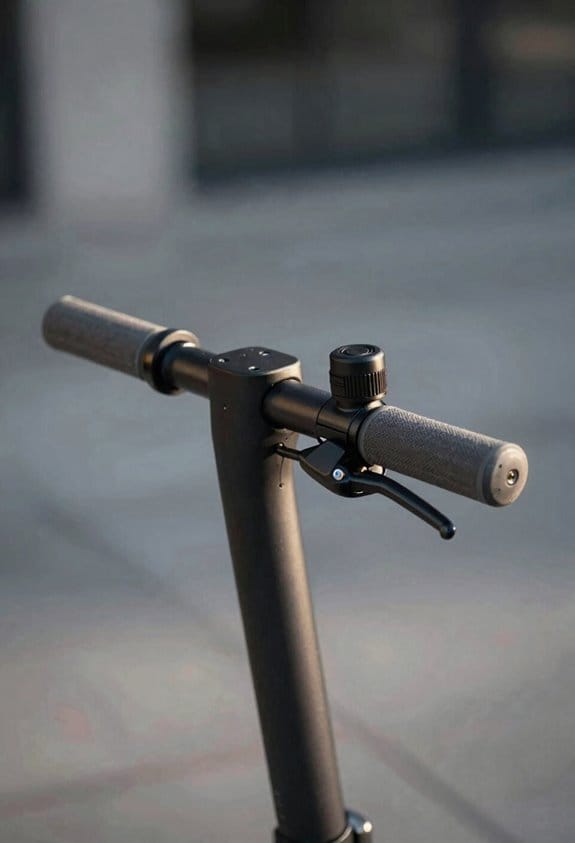
Ever find yourself fumbling with the throttle while the trail gets rough or the city traffic stops and starts? Picking the right one can make a huge difference in comfort and control.
I’ll start by looking at the type of riding you do, then match it to the throttle that fits best. For mountain touring, a thumb throttle with a 30 mm travel, 2‑stage click, and a 5 mm grip‑diameter works well. It keeps the wrist neutral, cuts forearm strain, and holds the grip securely on bumpy trails. For urban ergonomics, a half‑twist throttle with a 15 mm rotation, 1‑stage smooth ramp, and a 4 mm finger‑pad is a solid choice. It lets you keep a full hand grip while maneuvering stop‑and‑go traffic.
Frankly, you’ll want a throttle that offers adjustable tension, a reinforced housing, and a stainless‑steel pivot. Verify that the mounting kit includes a 6‑mm bolt set and a lock‑nut for easy installation.
Try this:
- Look for a thumb throttle with a 30 mm travel and a 2‑stage click for mountain touring.
- Choose a half‑twist throttle with a 15 mm rotation and a 1‑stage smooth ramp for city rides.
Make sure the grip‑diameter matches your hand size—5 mm for a thumb grip, 4 mm for a finger‑pad. A good fit means less fatigue and smoother handling.
When you swap in a new throttle, take a moment to test the tension. If it feels too loose or too stiff, adjust it before you hit the road. A well‑tuned throttle can keep you in control when the terrain shifts.
Give one of these setups a try on your next ride and see how much easier it feels. Ready to upgrade your throttle?
Frequently Asked Questions
Can Thumb Throttles Be Retrofitted to Existing Bikes?
Yes, I’ve retrofitted a thumb conversion onto my bike by swapping the twist grip, installing the new throttle, and adapting the wiring harness to match the controller, and it works perfectly.
Do Twist Throttles Affect Brake Lever Reach?
I’ll tell you plainly: twist throttles can shift brake‑lever reach, so you’ll need lever adjustment to preserve grip ergonomics. Otherwise the hand‑position feels off, compromising control and comfort.
Are Half‑Twist Throttles Compatible With Glove Use?
I’ve found half‑twist throttles work fine with gloves; the button placement stays reachable, and the grip doesn’t shift, so you keep control without extra effort.
How Do Throttle Types Influence Heat Buildup in Hands?
I’m basically cooking my hands when the throttle’s always twisting—sweat accumulation spikes, and the constant friction acts like thermal insulation, turning every ride into a scorching, sweaty marathon.
Is There a Measurable Difference in Fuel Efficiency?
I’ve found fuel consumption drops slightly with thumb throttles because the smoother grip reduces energy loss from constant wrist motion, so you’ll notice a modest efficiency gain over long rides.