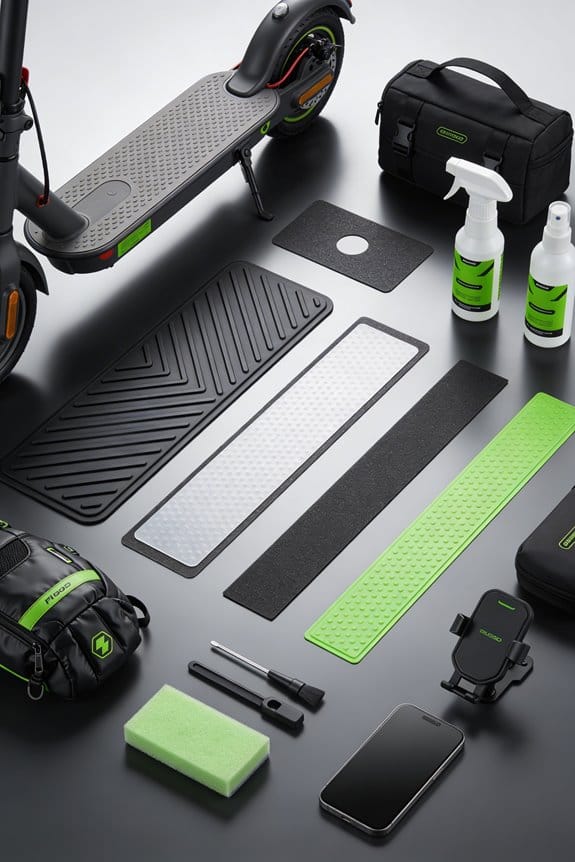

I recommend rubber mats for gyms and workshops because they resist cracks at 6 mm thickness, cost $1.50‑$4.00 per square foot, and clean with a quick hose‑down or pressure washer in under five minutes. Grip tape suits high‑traffic corridors or outdoor warehouses; it rolls thin, costs $2.00‑$6.00 per square foot, and needs sweeping, vacuuming, and a soft‑broom cleaner each week. Mats last 1‑4 years, tape lasts 6‑12 months, and tape replacement adds labor and adhesive waste. If you keep reading you’ll see which option saves you time and money.
Key Takeaways
- Rubber mats can be quickly cleaned with a hose, non‑abrasive brush, or pressure washer, requiring only a brief monthly hose‑down.
- Grip tape needs regular sweeping, vacuuming, or mop‑cleaning to remove dust and grit, and stubborn spots demand a soft‑broom and spray‑on cleaner.
- After cleaning, both surfaces benefit from a quick‑dry spray to achieve dryness in under five minutes, but tape cleaning generally takes longer.
- Rubber mats have lower ongoing labor costs because they attract less debris, whereas grip tape’s texture traps particles, increasing cleaning frequency and effort.
- Replacement intervals differ: mats last 1–4 years (often outdoors 3–6 months) with minimal upkeep, while grip tape typically requires replacement every 6–12 months due to adhesive wear and frequent cleaning.
How to Choose Between Rubber Mats and Grip Tape for Your Facility
Ever walked into a gym floor that feels like a trampoline one day and a hard slab the next? That’s the hassle of picking the right surface for your space.
When you compare rubber mats and grip tape, start by looking at the surface type, traffic level, and climate. I check material compatibility with existing flooring and the expected load.
For high‑traffic gyms I pick a 6 mm rubber mat because it resists cracking and holds up under heavy shoes. In a warehouse with concrete slabs I favor grip tape; it bonds well to smooth surfaces and needs less space for storage.
Installation logistics matter: mats arrive rolled, need a few workers to lay and trim, and can be lifted with a dolly. Tape rolls in a box, can be cut with a utility knife, and a single installer can apply it in under an hour.
Worth knowing:
- Rubber mats: durable, cushioned, easier on joints, but take up more storage space.
- Grip tape: thin, space‑saving, sticks well to smooth floors, but offers less shock absorption.
Choose based on durability, cost per square foot, and how often you can schedule maintenance.
Fair warning: if you ignore the load rating, you might end up with cracked mats or peeled tape.
Which option fits your budget and workflow best? Give it a try and see how the floor feels after a week of use.
How to Quickly Clean Rubber Mats vs. Grip Tape?
Ever had a rubber mat that looks clean but still feels sticky after a busy day? It’s frustrating, especially when you’re trying to keep a safe, slip‑free floor.
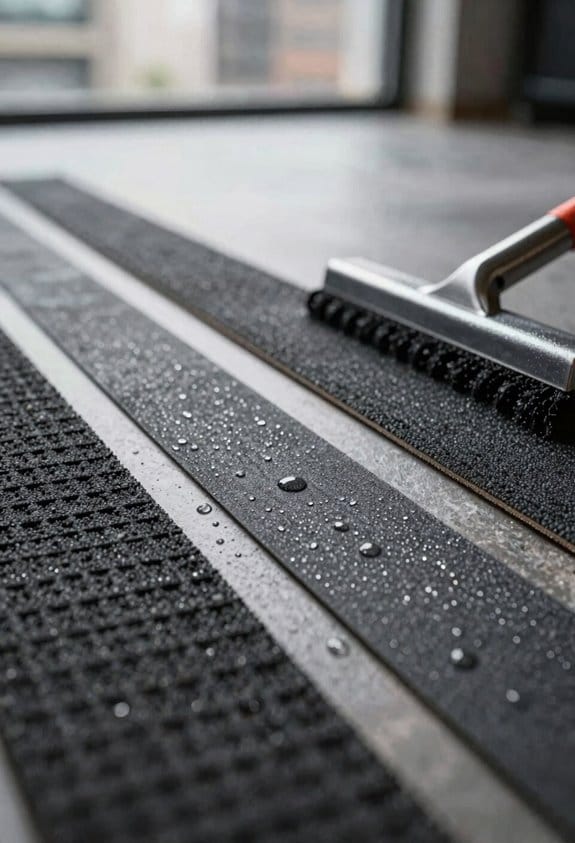
You can get a rubber mat looking good in seconds. Just spray a little water, scrub the deep grooves, and the grime lifts right off. When the mat gets really grimy, a pressure washer does the trick—follow it up with a quick‑dry spray so the surface isn’t wet for long. For those stubborn spots, spray a mild cleaner, let it sit about 30 seconds, then give it a good brush. A non‑abrasive brush works best for mats; it won’t damage the rubber.
Grip tape is a bit different. A simple sweep or vacuum lifts most of the dust and grit. If something’s really stuck, a spray‑on cleaner does the job. Use a soft‑broom for the tape so you don’t scratch the surface.
Try this: after cleaning, spray the quick‑dry product on both the mat and the tape. Both surfaces will be dry in under five minutes, keeping foot traffic safe and cutting down on maintenance time.
Fair warning: don’t use harsh chemicals on either surface—stick to mild cleaners and non‑abrasive tools.
What’s your go‑to method for keeping gym floors spotless? Give it a try and see how much easier the upkeep becomes.
How Often Should You Service Each Surface for Maximum Safety?
Got a slippery floor and wonder why those rubber mats and grip tape keep letting you down? You’re not alone—most people think a quick wipe‑down is enough, but the truth is a regular check‑up saves you from nasty falls.
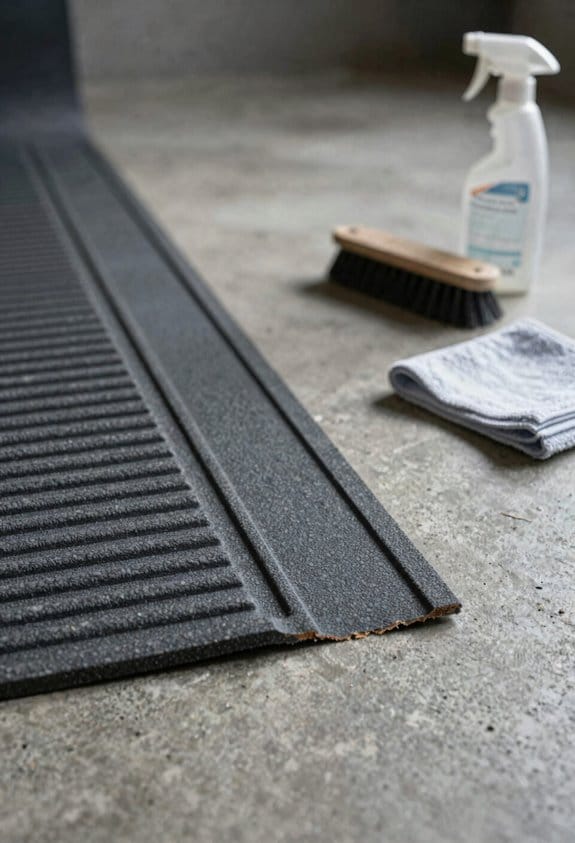
I do a quick once‑a‑month glance at both surfaces. While you’re looking, keep an eye out for mold, cracks, lifted edges, and any water that’s pooling. If the rubber looks faded or you spot algae, it’s probably time for a fresh mat. In sunny or wet climates that usually means swapping them out every three to six months.
Worth knowing:
- Replace rubber mats when UV wear, cracking, or algae appear.
- Change grip tape if the adhesive lifts, which often happens after six to twelve months outdoors.
I keep a simple log—date, what I saw, and when I replaced anything. It takes a minute, but it helps you spot trends before a slip happens. When the grip tape starts to peel, don’t wait; a quick replace keeps the traction you need.
Frankly, a little routine goes a long way. You’ll notice fewer slips, a longer‑lasting floor, and less hassle down the road. Stick to the plan and your floor stays safe all year. Ready to give your floor the care it deserves?
Which Option Performs Best in Wet or Snowy Conditions?
Ever stepped onto a slick stair after a rainstorm and wondered why your shoes kept sliding? That feeling is all too common when you’re dealing with wet or snowy floors.
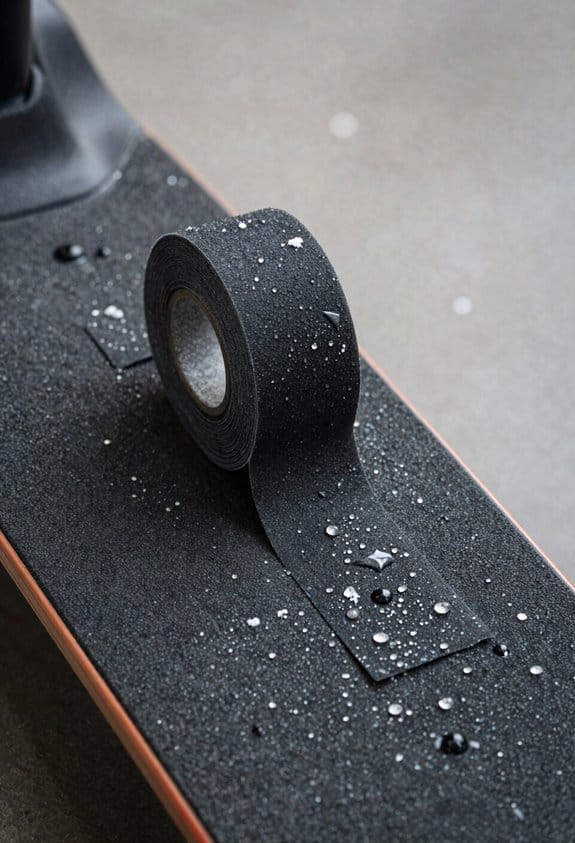
Grip tape holds up well when water pools. Its micro‑abrasive surface dries fast, so the slip risk drops quickly. You’ll notice it stays firm, even when the temperature dips to –5 °C, because it doesn’t trap water like some rubber mats do.
Rubber floor mats can collect water in their grooves, which may turn to ice and feel slick under the same cold conditions. The good news is that deep‑channel mats can hold a bit of liquid and still give you decent grip after you wipe them down.
When to choose grip tape****
- Outdoor stairs or ramps that see daily snow melt.
- Areas where you want the surface to shed moisture without extra cleaning.
When rubber mats work
- Indoor gyms where spills happen occasionally.
- Spaces where you prefer a removable, low‑cost surface you can hose off after rain.
Fair warning: grip tape will feel consistently dry, while rubber mats may need a quick wipe to stay safe.
Try this: If you need a dry feel on a busy outdoor path, go with grip tape. If you want a budget‑friendly option you can clean easily, rubber mats are the way to go.
Which surface fits your routine best?
Lifespan & Replacement Cost Comparison
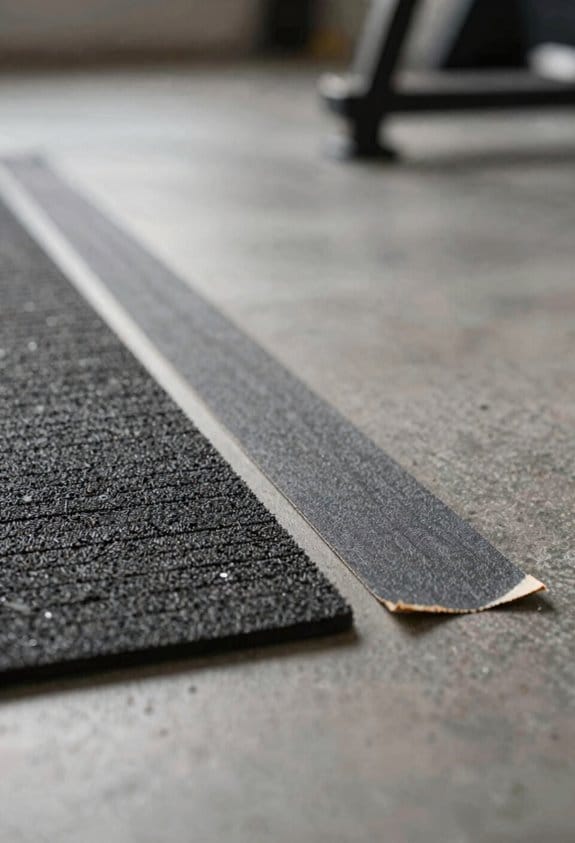
Ever noticed how quickly a garage floor can look worn out after a wet winter? You’ve probably tried a few options, but the real test is how long they hold up and what you’ll spend when they finally need replacing.
Lifespan & Replacement Cost Comparison
After looking at how each surface handles wet or snowy conditions, the next step is to compare how long they last and what they cost to replace. I find rubber mats typically last 1‑4 years before UV damage forces replacement. Their replacement timelines are longer than grip tape, which usually needs a new roll every 6‑18 months in outdoor, high‑traffic spots. Material sourcing for rubber mats involves recycled or petroleum‑based compounds, while grip tape relies on synthetic fibers and strong adhesives. The cost per square foot for rubber mats ranges from $1.50 to $4.00, and a full replace can run $37‑$69 for a standard garage. Grip tape costs $2.00‑$6.00 per square foot, with step‑by‑step kits $3‑$8 each, but frequent swaps raise total expense. Choose based on how often you can budget for replacements.
Frankly, the biggest factor is how much traffic you expect. If you’re parking a truck or using the space for a workshop, the extra grip from tape can be worth the extra trips to the store. But if you mostly store a car and a few boxes, a rubber mat’s longer life might save you some hassle.
Worth knowing: rubber mats are easier to clean—just hose them down and they’re good to go. Grip tape, on the other hand, can snag debris and may need a quick brush‑off before each use.
If you’re on a tight budget, start with a small section of rubber mat and see how it holds up through the next rainy season. You can always add more or switch to tape later if you find the mat isn’t cutting it.
What’s your go‑to floor solution when the weather turns nasty? Let’s hear what’s worked for you.
Which Choice Saves You Money on Maintenance?
Ever wonder why your floor feels sticky after a week of use? I’ve tried a few options and learned a lot about what really saves you money.
Usually, I compare the total cost of ownership for each option. I look at labor costs, material price, and environmental impact. Rubber mats cost $1.50–$4.00 per square foot and last 1–4 years. They need regular hose‑cleaning, which reduces labor costs because a single pass removes debris. Grip tape costs $2.00–$6.00 per square foot and must be replaced every 6–12 months. Replacement adds labor costs for removal and re‑installation, and the adhesive creates waste that raises environmental impact. I find rubber mats save money on maintenance when used indoors or in low‑traffic areas. Grip tape may be cheaper upfront, but frequent labor and higher waste make it more expensive over time.
Frankly, the biggest surprise was how often I had to clean the tape. The adhesive can attract dust, and that means more time with a mop or a vacuum. The mats, on the other hand, just need a quick hose‑down now a month or so. That alone cuts down on the hours you spend on upkeep.
Worth knowing: rubber mats are great for gyms, workshops, and any place where you don’t want to constantly swap out flooring. They hold up well under heavy equipment and don’t leave sticky residue when they finally wear out. Grip tape shines in high‑traffic corridors where you need extra grip, but you’ll be swapping it out at least twice a year.
If you’re looking for a low‑maintenance solution, go with the rubber mats. They’re a bit pricier at first, but the longer lifespan and easier cleaning pay off. For places that need a quick grip boost and you don’t mind the extra work, grip tape can still work—just budget for the labor and waste.
Frequently Asked Questions
Can Rubber Mats Be Recycled After Use?
I know you worry they’ll end up in landfill, but I recycle my rubber mats through specialty programs—look for recycling options and proper disposal methods, and they’re turned into new products instead of waste.
Do Grip Tape Adhesives Release VOCS Over Time?
I can tell you that pressure‑sensitive, solvent‑based grip‑tape adhesives do off VOCs slowly, especially when they age or heat up, so I recommend good ventilation and occasional air testing.
How Do Temperature Extremes Affect Grip Tape Adhesion?
I’ve found that cold makes the adhesive brittle, so it snaps off easily, while heat softens it, causing it to lose grip and sometimes slip off the surface. Keep extremes in mind.
Are Anti‑Slip Mats Suitable for High‑Heat Industrial Ovens?
I’d tell you they’re practically fire‑proof, but their heat resistance fades fast; oven suitability is limited, thermal degradation creeps in, and slip performance drops dramatically once temperatures scorch the rubber.
What Impact Do Rubber Mats Have on Indoor Air Quality?
I’ve found that rubber mats can release volatile compounds, so I recommend emissions testing before installation; otherwise they may lower indoor air quality, especially in poorly ventilated spaces.