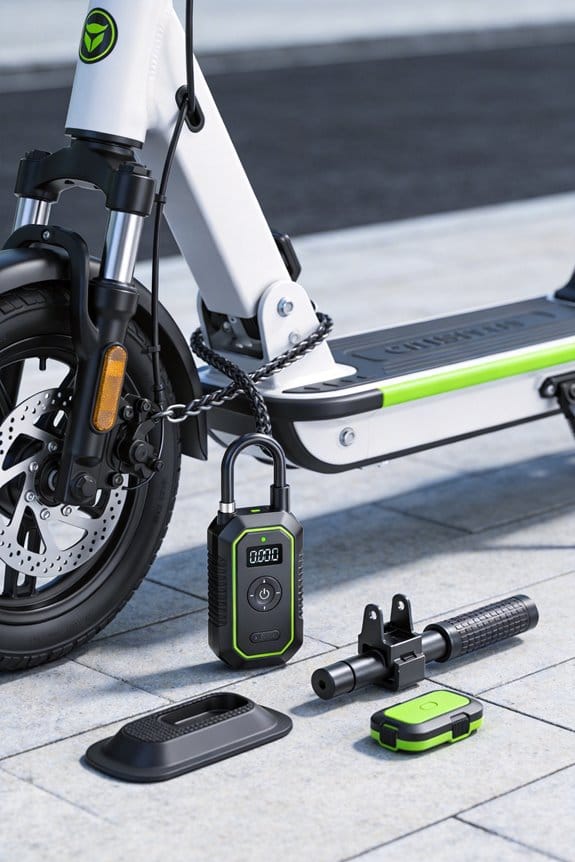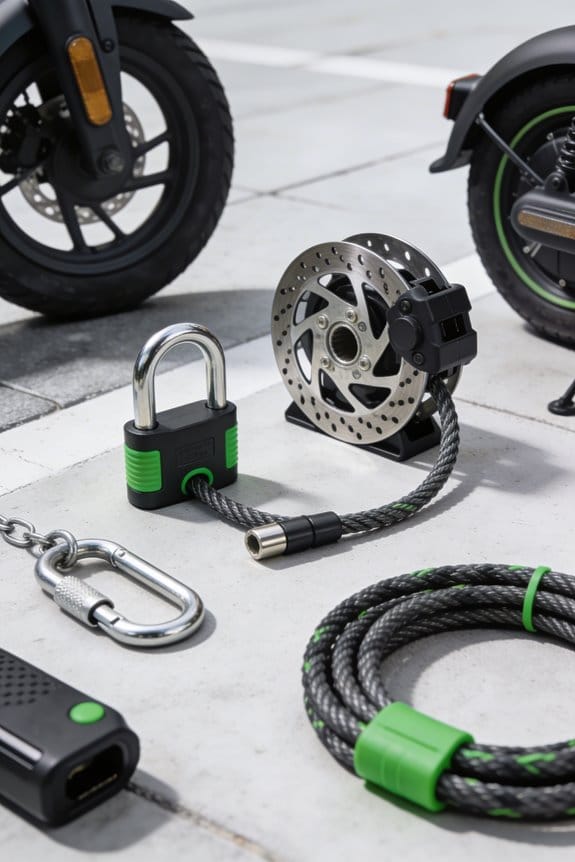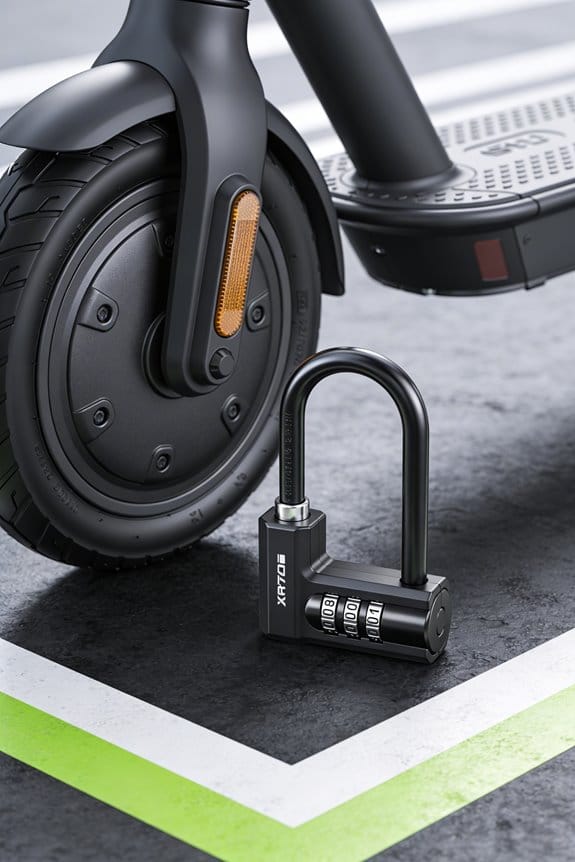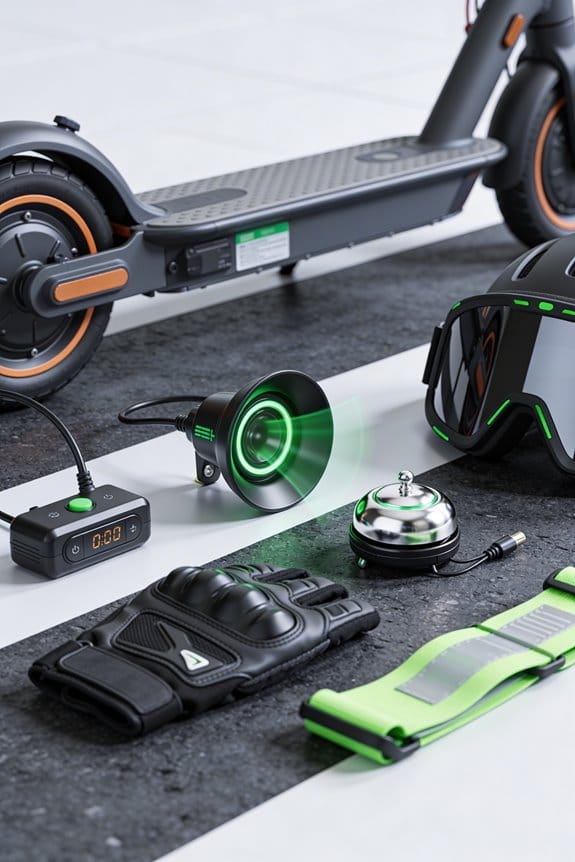
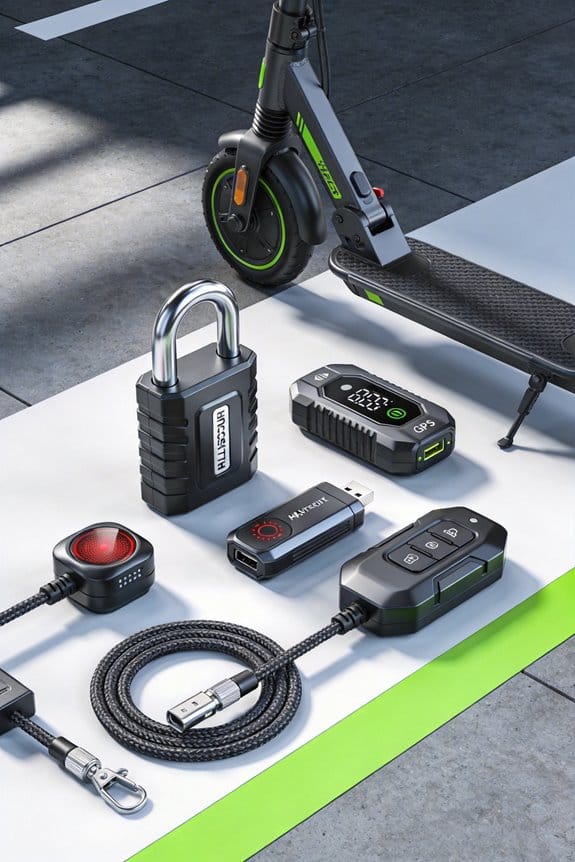

I recommend a 12‑mm hardened‑steel chain, a 3‑digit disc lock, a 95 dB motion‑sensor alarm, and a GPS tracker that logs location every 30 seconds. The chain and disc lock meet most insurer specs and can cut premiums by 10‑15 %. The alarm adds a 5‑10 % discount and deters thieves with loud sound and app alerts. The GPS tracker provides real‑time data, adds another 5‑10 % discount, and speeds claim processing. Install, tighten bolts to 30 Nm, test monthly, and keep receipts and photos for proof—continue for details on maximizing your discount.
Key Takeaways
- Installing a 12‑mm hardened‑steel chain and a 3‑digit disc lock can lower premiums by 10‑15% and reduce claim rates by ~30%.
- Adding a GPS tracker that logs location every 30 seconds typically yields a 5‑10% discount and provides clear evidence for faster claim processing.
- A motion‑sensor alarm blasting 95 dB (or higher) with app notifications can earn an additional 5‑10% premium reduction.
- Combining lock, GPS, and alarm systems can provide bundled discounts of up to 20% on scooter insurance policies.
- Maintaining documentation—receipts, serial numbers, installation photos, and app screenshots—ensures eligibility for discounts and smooth claim approval.
How Chain or Disk Locks Cut Your e‑Scooter Insurance Premium
Ever had your e‑scooter stolen and wondered why your insurance stayed the same?
Locking it up with a solid chain or a disc lock can actually shrink your premium. I check the lock every month; a loose shackle or a rusted bolt can void coverage. Recent theft stats show a 30 % lower claim rate for scooters that have approved locks.
Worth knowing: pick a hardened‑steel chain that’s at least 12 mm thick and pair it with a keyed padlock, or go for a disc lock that has a 5‑point locking pattern. Both meet most insurers’ requirements and usually earn you a 10‑15 % discount. I keep a spare key in a waterproof case and give the lock a quick look after each ride. This habit keeps the lock functional, satisfies the insurer’s proof‑of‑security rule, and helps keep your premium low.
- Check the lock monthly for rust or looseness.
- Store a spare key in a dry, sealed container.
Frankly, a little maintenance now saves you a lot later.
Do you want to keep your scooter safe without breaking the bank? Try this: make lock inspection a part of your post‑ride routine and watch the savings add up.
How GPS Trackers Lower Your e‑Scooter Insurance Premium
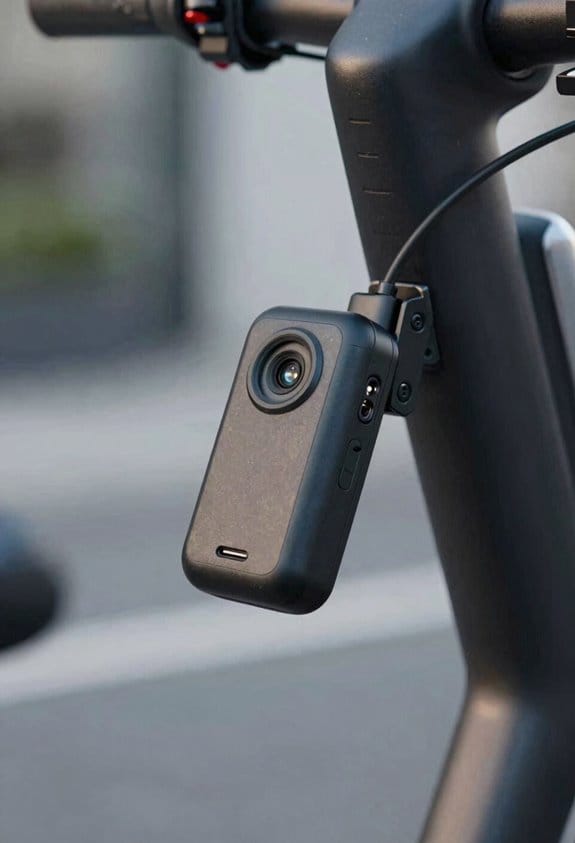
Ever wondered why your e‑scooter insurance still feels pricey even after you lock it up? I’ve already shown how a solid chain or disc lock can shave a chunk off your premium, and now I’ll explain why adding a GPS tracker can lower it even more.
A GPS tracker gives insurers real‑time monitoring of your e‑scooter’s location. When you install a device with geofencing alerts, the insurer sees that the scooter stays within a safe zone, reducing theft risk. Many policies offer a 5‑10 % discount for this feature. The tracker can send an instant alert if the scooter moves outside the set boundary, allowing you to act quickly. Some models also record speed and battery level, which helps the insurer assess overall safety.
Worth knowing:
- A basic tracker costs about $30‑$50.
- The discount on your monthly premium can cover that price in just a few months.
- You’ll get peace of mind knowing you’ll be warned the moment something odd happens.
Frankly, the extra data you share isn’t just a numbers game. Insurers can see how often you ride in high‑traffic areas, whether you’re speeding, and how well you maintain the battery. All of that paints a picture of a careful rider, and they reward you with lower rates.
If you’re thinking about a specific model, look for one that lets you set a “home” radius around your apartment or office. Once you’ve got it installed, you’ll notice the insurer’s portal updating with your scooter’s whereabouts. That transparency often translates into a smoother claims process if anything ever goes wrong.
Trying this out is simple: snap the tracker onto the frame, download the app, and set your preferred safe zone. Within a week you’ll start getting notifications if the scooter strays, and your insurer will see the same data on their end.
Bottom line: a cheap gadget can pay for itself fast while keeping your scooter safer. Ready to give it a try?
Why Alarm Systems Reduce Your e‑Scooter Insurance Premium
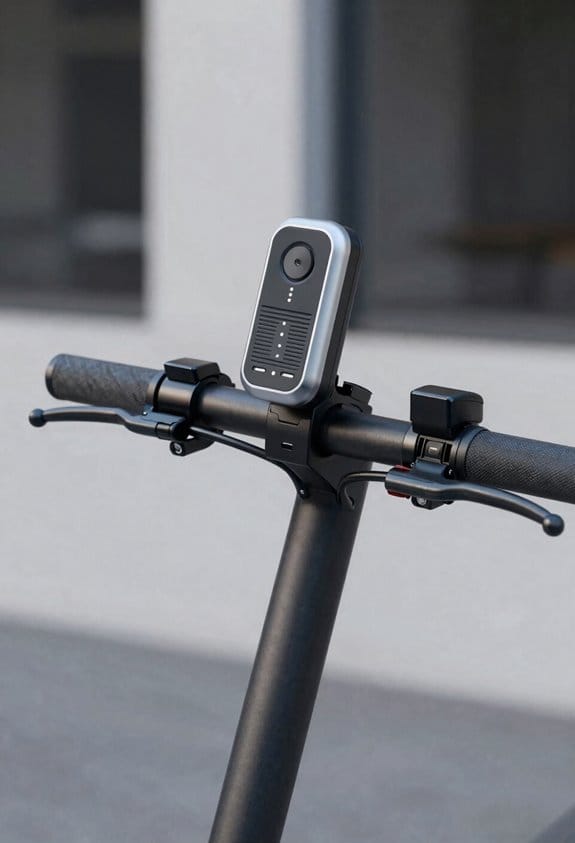
Ever wondered why your e‑scooter insurance feels so pricey?
You’ve probably heard that adding an alarm can shave a few bucks off your premium – and it’s true.
When you put a siren‑blasting alarm on your scooter, the insurer sees a solid deterrent. They know thieves think twice, so the chance of a claim drops. A typical alarm runs $30‑$50, shouts loudly when tampered with, and pings a push alert straight to your phone.
Fair warning: keep the device in shape. Check the battery and sensor placement each month, and the false‑alarm rate stays low. That trust lets the insurer offer a 5‑10 % discount on a $25 monthly policy – that’s $12‑$25 saved every year.
Worth knowing: pick a model with a tamper‑proof case and a two‑year warranty for the best value.
Try this: set a reminder on your phone for a quick monthly check, and you’ll keep the alarm humming without hassle.
Got a favorite alarm brand? Share it in the comments and let others benefit from your experience.
Helmets & Safety Gear That Trim e‑Scooter Liability Costs
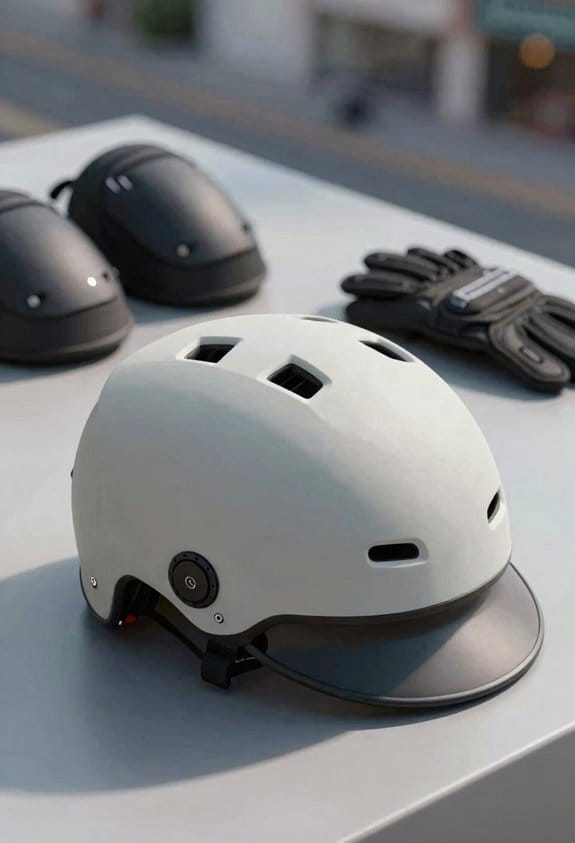
Ever wonder why your e‑scooter insurance keeps creeping up? I’ve found that slipping on a certified helmet and a few smart gear pieces can actually shave a few dollars off your premium.
A good helmet is the first line of defense. Look for an ANSI‑Z87.1 rating and a built‑in ventilation system—those features keep you cool and protected. I favor a quick‑release strap and a 5‑year warranty; the price tag sits around $50, which is a solid deal for the peace of mind it offers. Adding a reflective vest or LED strip gives you extra visibility when the sun goes down, and insurers tend to note those upgrades when they assess risk.
Worth knowing: a well‑ventilated helmet with a 30 dB noise‑reduction layer can cut accident risk by up to 15 % in low‑light conditions, according to recent insurer data. Pair it with high‑visibility gloves and you’ll be easier for drivers to spot, especially at night. My LED strip runs off a 2‑amp battery, lasts about 12 hours, and cost me $20—enough to make a noticeable difference on busy streets.
Try this: keep every receipt for your gear and update your policy to reflect the upgrades. When I filed a claim, the insurer mentioned my helmet and the LED strip, and my premium dropped 5 % for the next year. It’s a simple step that can pay off over time.
If you’re still on the fence, think about the long‑term savings. A small upfront cost for certified gear can translate into lower premiums and fewer accident‑related expenses. It’s a win‑win for your wallet and your safety.
How After‑Market e‑Scooter Locks & Alarms Stay Covered Without Raising Premiums
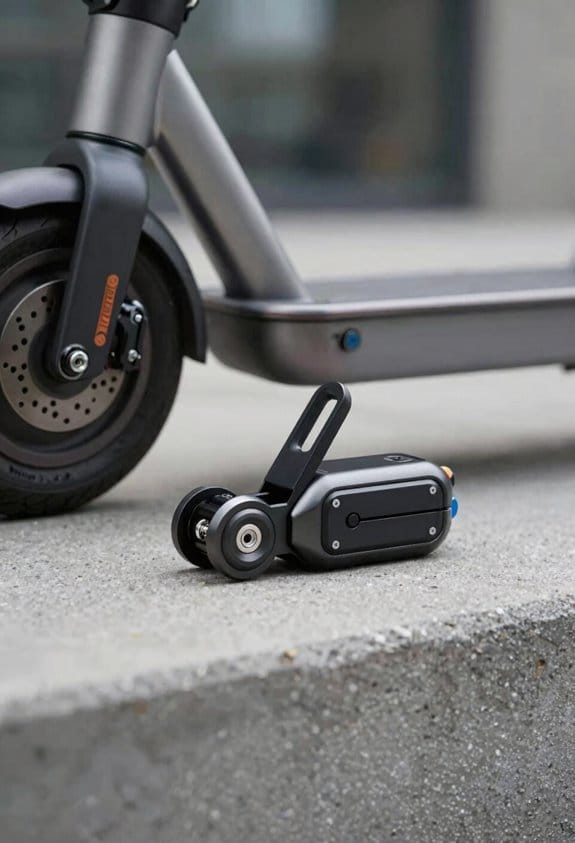
Ever had your e‑scooter stolen right after you parked it at the coffee shop? That feeling of panic is all too real, but you don’t have to let it happen again. The trick is to pick a lock that your insurer already likes and install it the right way, so you keep coverage without any extra cost.
First up, look for a lock that matches the insurer’s approved list. A 12‑mm hardened steel chain or a disc lock with a 3‑digit code usually does the job. When you’re mounting it, use the scooter’s built‑in points and tighten the bolts to about 30 Nm. That torque keeps the lock snug without stressing the frame, and it won’t mess with the brake system.
Next, pair the lock with a battery‑powered alarm that’s loud enough to scare off a thief—think around 95 dB. The alarm should also have a tamper sensor so you get a notification if someone tries to cut it. Keep the receipt and register the serial number with the manufacturer; a two‑year warranty is a solid safety net.
Worth knowing:
- Follow the installer’s guide step‑by‑step.
- Test the alarm after you install it to make sure it sounds right.
Frankly, staying within the insurer’s approved specs means you won’t see a premium jump, and you’ll be ready to file a claim if the worst does happen. Keep the lock and alarm in good shape, and you’ll ride with peace of mind. Ready to lock down your scooter without paying more?
How Insurers Evaluate Security Hardware on a Case‑by‑Case Basis
Ever wonder why some claims get approved faster than others? It usually comes down to the hardware you’ve got and how well you can prove it works.
When insurers check your security gear, they first compare it to their approved list. Think of a 12‑mm hardened steel chain, a disc lock with a 3‑digit code, or an alarm that hits at least 95 dB. If your device matches one of those, you’re already in a good spot.
Frankly, they set evidence thresholds for each claim. A GPS tracker that logs location every 30 seconds can lower the insurer’s discretion because the data is crystal clear. A lock that passes a 10‑kg pull‑test rating meets the threshold, so the payout can be approved quickly. An alarm that blasts 120 dB and sends a mobile‑app notification also passes the test.
Worth knowing: keep the receipt, serial number, and a photo of the installation. Those pieces of proof keep you inside the insurer’s case‑by‑case review.
If you’re still unsure, here’s the trick: document everything as soon as you install the hardware. A quick photo of the lock on the door, a screenshot of the GPS tracker’s app, and a copy of the purchase receipt can make the difference between a smooth claim and a drawn‑out process.
One more tip—don’t forget to check the insurer’s specific list before you buy. Some companies accept a 10‑mm chain, while others only recognize a 12‑mm one. Knowing the exact requirement can save you time and money.
Do you have a favorite brand that’s already on most insurers’ lists? Share your experience, and let’s help each other stay protected.
Combine Security Accessories for Maximum e‑Scooter Premium Discount
Ever wonder why your e‑scooter insurance feels pricey even though you lock it up every night? I’ve been there, and the trick is to layer a few simple gadgets that make insurers see you as a low‑risk rider.
First, put a 12‑mm hardened steel chain around the frame. It’s tough to cut and gives a solid visual deterrent. Pair that with a 3‑digit code disc lock – the kind that clicks shut and only you know the combo. Then add a GPS tracker that pings your location every 30 seconds. Most companies will shave 10‑15 % off your monthly premium when they see those three in place.
Worth knowing: a motion‑sensor alarm that blasts 80 dB when the scooter moves can be a game‑changing extra. It not only start off a loud sound but also flashes a light, so anyone nearby knows something’s wrong. A removable lock‑cable that fits a 2‑inch frame protects the wheel hub, which is often a target for thieves. When you bundle all these items, insurers usually offer up to a 20 % discount because the overall risk drops dramatically.
Here’s the trick: keep the lock key in a small, waterproof pouch that you stash in your backpack or jacket pocket. That way you won’t lose it, and you’ll always have it handy when you need to lock up quickly. Use the GPS app’s real‑time alerts to stay informed – you’ll get a push notification the moment the tracker detects movement. I’ve seen riders on a 25‑mile‑range scooter keep a clean claim‑free record, and that history helps keep renewal rates low.
If you’re buying the gear as a package, ask the seller for a bundled price. It’s often cheaper than buying each piece separately, and the insurer will notice the combined safety setup. The result? A smoother claim process and a lower premium that feels like a win for your wallet.
Try this: set up the chain, lock, GPS, alarm, and cable, then watch your insurance quote drop. It’s a small effort for a big payoff.
Do you think adding a simple alarm could make your scooter feel safer? Give it a go and see the difference.
Frequently Asked Questions
Do Insurers Require Proof of Lock Installation for a Claim?
I’ll tell you straight: insurers usually demand proof verification—often an installation receipt—before they’ll honor a claim, so keep that paperwork handy, otherwise your coverage could evaporate like mist.
Can a GPS Tracker Be Added After a Theft Claim?
I’d say you can add a GPS tracker after a theft claim, but you must notify your insurer promptly; post‑claim installation won’t affect the settled payout, though it may help future premiums.
Do Alarm System False Alarms Affect Premium Discounts?
I know you might think occasional false positives ruin discounts, but they don’t automatically trigger claim denial. Insurers usually ignore occasional alarms, so your premium discount stays intact as long as true thefts drop.
Are Helmets Covered Under Liability‑Only Policies?
I’m sorry, but liability‑only policies don’t cover helmets; they only handle bodily injury and property damage claims. If you want helmet coverage, you’ll need a full‑coverage or optional safety‑gear endorsement.
Will Combining a Lock, GPS, and Alarm Increase Coverage Limits?
I’ll tell you: adding a lock, GPS, and alarm usually raises your coverage limits because insurers see enhanced recovery and theft deterrence, so they’re willing to extend protection and sometimes lower premiums.