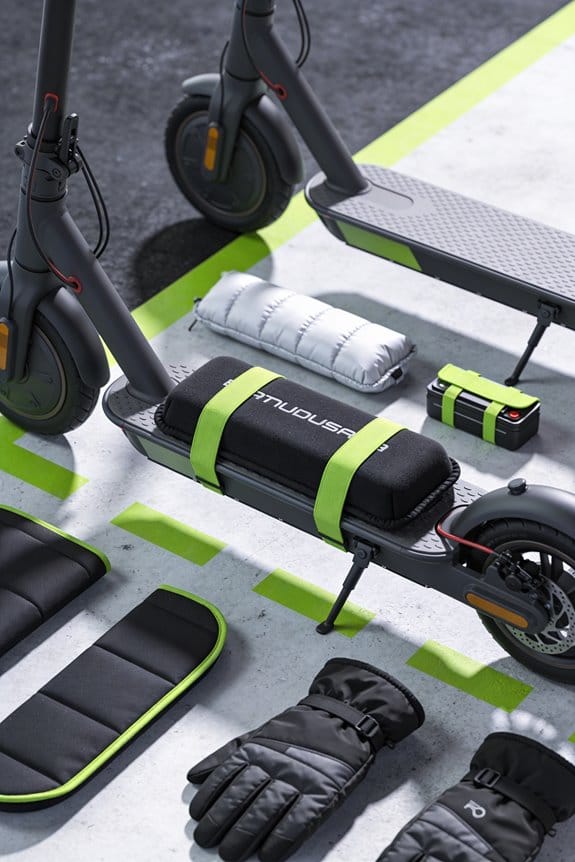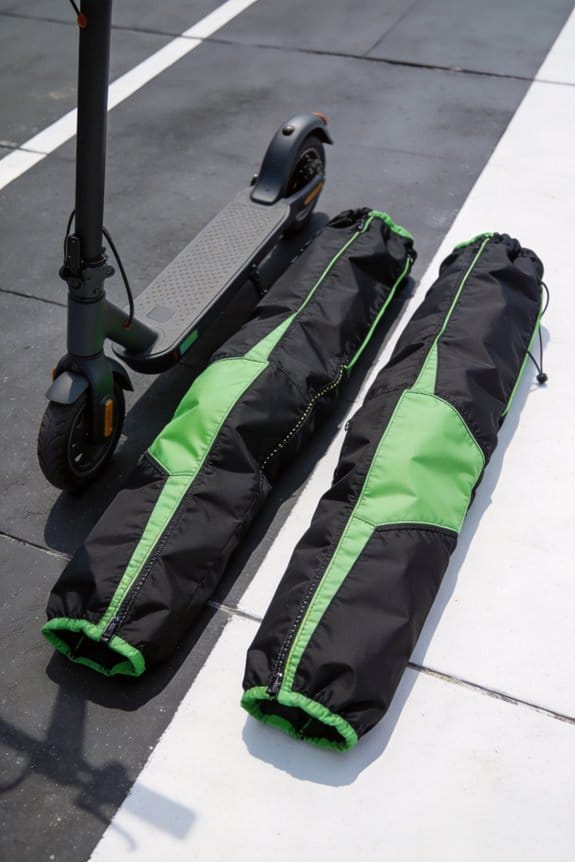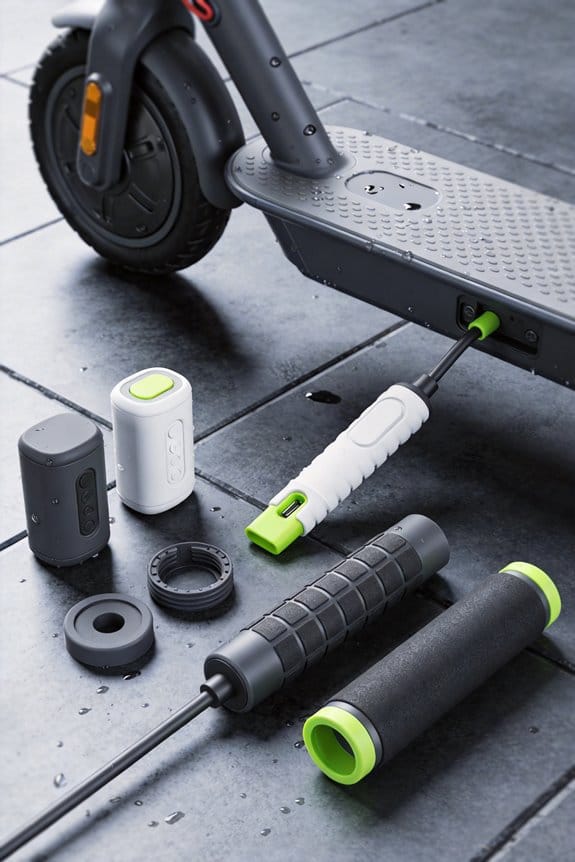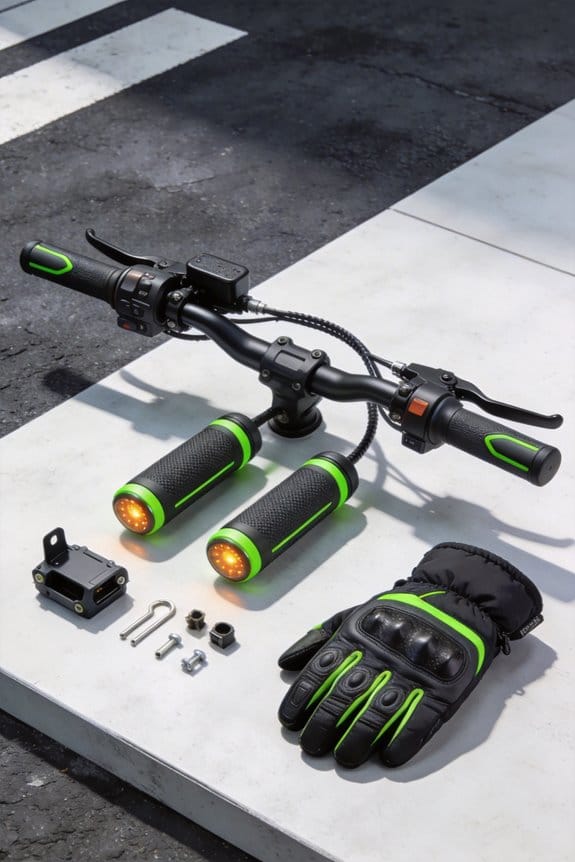
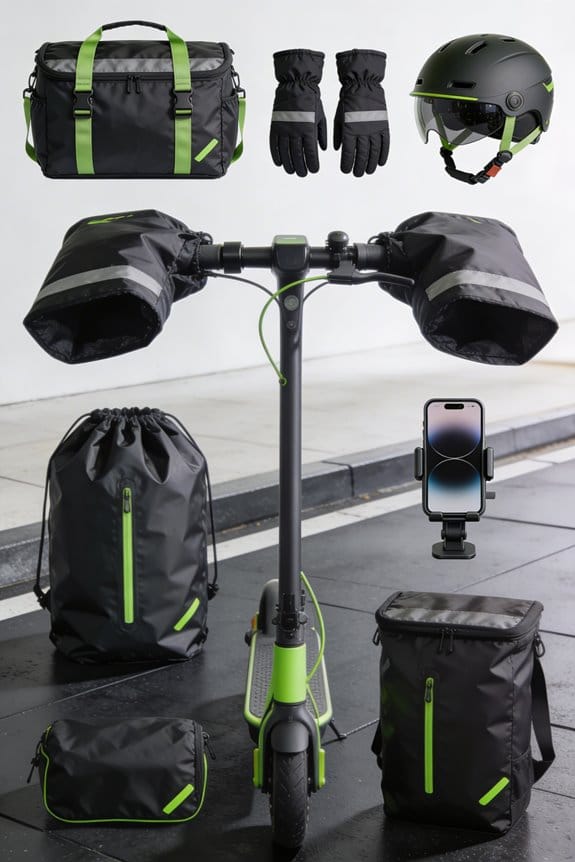

I recommend an aluminum‑alloy frame with steel reinforcements and an IPX7 seal to keep water out, paired with 21700 lithium cells and a BMS rated to –10 °C for cold weather. Use 10×3.0‑inch tubeless all‑terrain tires at 30 psi for wet and snowy grip, and a steel‑spring suspension with 150 mm travel for rocky paths. Add LED strobes with a rain sensor, a 4‑digit PIN lock, GPS, and a motion alarm for security, plus regenerative braking that recovers up to 20 % of energy. Choose waterproof gloves, a CE‑certified helmet, and a wind‑proof jacket with breathable membrane for rider comfort. Tighten bolts after rain, rotate tires weekly, and run a quick battery calibration each month to keep performance reliable. Continue for more details.
Key Takeaways
- Integrated waterproof frames with IPX7 sealing and corrosion‑resistant aluminum‑steel construction enable reliable operation in rain and snow.
- Tubeless 10×3.0‑inch all‑terrain tires inflated to 30 psi and rotated weekly improve grip on wet surfaces and reduce hydroplaning.
- Battery management systems rated to –10 °C, combined with monthly calibration and quarterly full‑charge cycles, maintain range and cell balance in cold weather.
- Adaptive LED lighting linked to rain sensors and anti‑theft GPS with motion‑triggered alarms enhance safety and visibility during adverse conditions.
- Protective rider gear—waterproof gloves, wind‑proof jackets, and CE‑certified helmets—provides thermal comfort and impact protection for year‑round riding.
Choosing Weather‑Resistant Frames & Batteries
Ever tried riding a scooter in a drizzle and felt the frame rust after a few weeks? You’ll want a bike that can take a soak without falling apart.
When you’re hunting for a weather‑resistant ride, start by checking the frame material. Aluminum alloy with a few steel reinforcements does a solid job of staying strong and keeping corrosion at bay. Look for an IP rating of at least IPX7 – that means the scooter can survive rain and even a quick snow shower without short‑circuiting.
Worth knowing:
- Choose 21700 lithium cells that have built‑in thermal management.
- Make sure the battery management system is rated for cold weather, down to about –10 °C.
- Opt for sealed connectors and waterproof seals for extra protection.
The battery side matters just as much as the frame. A high‑density pack can push you about 30 km under load, and a fast‑charge setup should get you to 80 % capacity in roughly 45 minutes. If you’re riding in chilly temps, a good BMS will keep the pack from overheating and will keep performance steady.
Frankly, the range you get can vary a lot with the terrain and how heavy your load is, so it’s worth testing it out before you commit. A longer ride in the rain gave me a clearer picture of how the scooter handles wet roads and cold air.
Try this: before you buy, ask the dealer for a demo that includes a short ride in wet conditions. Seeing the scooter’s response to splashes and puddles will tell you if the waterproof claims hold up.
If you’re still on the fence, remember that a solid frame and a well‑protected battery are the two biggest factors that keep a scooter running for years, rain or shine.
Got a favorite weather‑proof scooter brand? Share it below and let others know what works for you.
Selecting Weather‑Resistant Tires & Suspension for Wet, Snowy, Rocky Roads
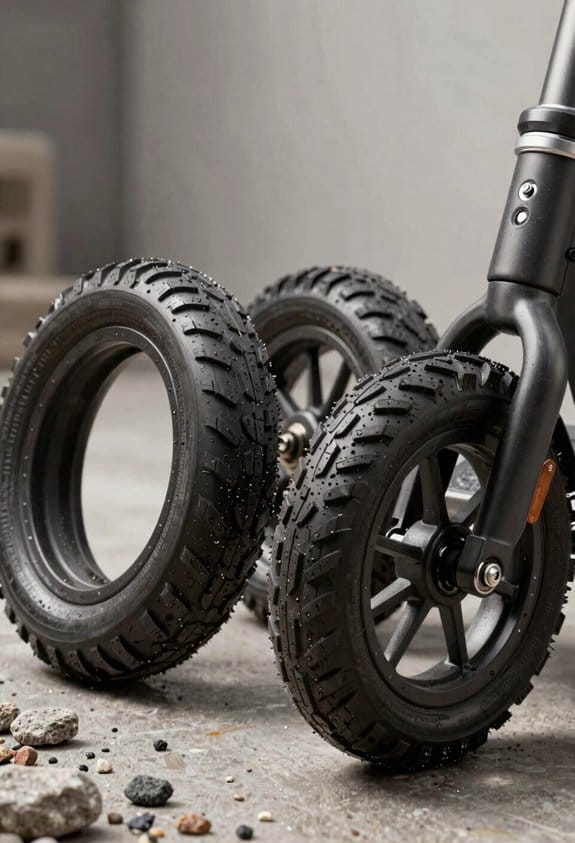
Ever found yourself slipping on a rainy highway or getting stuck on a snowy backroad? I’ve been there, and the right tire and suspension combo can make a huge difference.
Choose the right tires
All‑terrain tires work best when you face wet pavement, loose snow, or rocky paths. A 10×3.0‑inch tubeless CST model gives you solid grip on slick surfaces and bites into packed ice. The tread pattern channels water away, cutting down on hydroplaning, and it still holds firm on loose gravel.
- Keep the pressure between 30‑50 psi for best traction.
- Check the tire wear every 1,000 km to catch any uneven wear early.
Tune your suspension
A steel‑spring system with about 150 mm of travel handles bumps on rocky trails and potholes without a fuss. The adjustable preload lets you stiffen the ride for smooth city streets or soften it for uneven backcountry roads. It adds roughly 5 kg of weight, but the boost in safety and comfort is worth it.
- Tighten the suspension bolts after every 200 km of off‑road use.
- If you notice excessive sway, dial back the preload a notch.
Practical tips
Frankly, the simplest way to keep everything working is to stick to the recommended pressure range and give the bolts a quick look‑over regularly. Worth knowing: the extra weight isn’t a deal‑breaker; it actually helps keep the bike stable when you’re pushing hard on slippery ground.
Try this: before a long trip, do a quick visual check of both tires and suspension. Look for any cracks, worn tread, or loose bolts. A few minutes now can save you from a nasty surprise later.
You’ll feel more confident tackling rain, snow, and mixed terrain without needing any extra gadgets. Ready to give your ride a smoother, safer feel?
Setting Up Smart Lighting, Anti‑Theft, and Regenerative Braking for Rain, Cold, Darkness
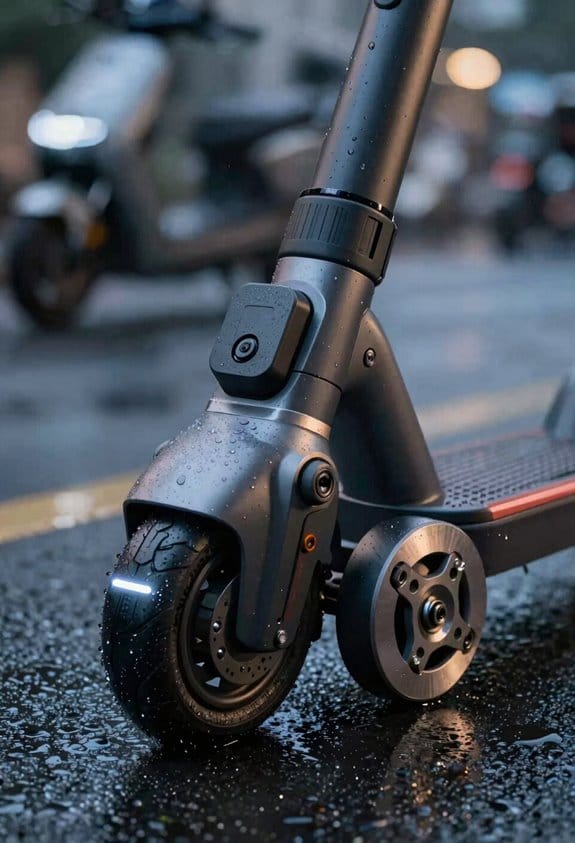
Ever been stuck on a dark, wet road wondering if your bike’s lights will actually cut through the rain? I’ve been there, and after swapping in all‑terrain tires and a steel‑spring suspension, I finally got the lighting, anti‑theft, and regenerative braking dialed in for rain, cold, and darkness.
First off, the LED strobes are set to flash at 2 Hz, giving each headlamp about 150 lumens. The rain sensor automatically bumps up the brightness when moisture hits, so you don’t have to fiddle with a knob in a storm. The lights stay bright enough to keep you visible, even when the pavement glistens.
Next, I added a few theft deterrents that actually work. A 4‑digit PIN lock keeps casual thieves out, while GPS tracking lets you locate the bike if it’s taken. The motion‑triggered alarm sounds at 95 dB, which is loud enough to scare off anyone trying to mess with it.
For the braking, I set the regenerative system to capture up to 20 % of kinetic energy. In cold weather that translates to roughly a half‑kilometre of extra range each time you stop. It’s a small boost, but it adds up over a long ride.
Worth knowing:
- The rain sensor ties directly into the LED driver, so brightness adjusts in real time.
- The motion alarm can be silenced from your phone if you’re parked in a safe spot.
Frankly, the whole setup felt a bit like a garage‑project, but the results speak for themselves. I took the bike out on a dark, wet road, and the lights stayed bright, the alarm went off the someone brushed past, and the battery reclaimed energy without a hitch.
Give it a try and see how much smoother your rides become when the weather turns nasty. Ready to upgrade yours?
Picking Scooter‑Specific Protective Gear for Year‑Round Comfort
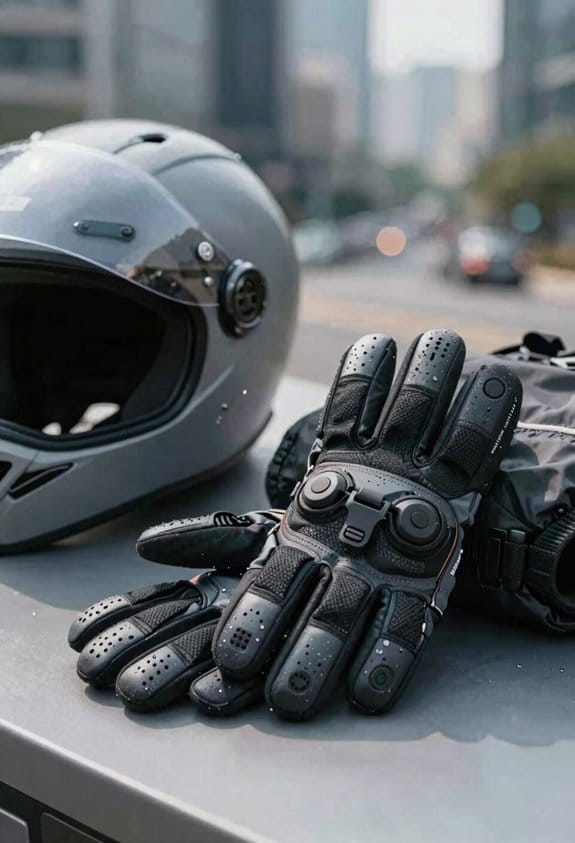
Ever found yourself shivering on a frosty morning ride, then sweating through a July downpour? Finding gear that works year‑round can feel like hunting for a needle in a haystack, but you don’t have to settle for a patchwork of items that barely get the job done.
Gloves
Pick waterproof gloves that have a 2‑mm silicone grip on the palm. The thermal liner should keep your hands above 15 °C even when the temperature drops below zero. They’re easy to wipe clean after a rain splash, and the grip stays solid on wet brakes.
Helmet
A helmet with a removable ear cover is a lifesaver when the wind picks up. Look for a 5‑mm EPS foam shell and a visor that won’t fog up in rain. The ear cover lets you stay warm in winter and pull it off when it’s hot, without swapping helmets.
Knee & Elbow Pads
Choose pads that have a 3‑mm foam core and a 1‑mm outer shell. They’re thin enough to slide under a light rain jacket, yet they still absorb a solid bump. The surface is smooth, so you won’t snag on your jacket’s zipper.
Jacket
A wind‑proof jacket with a 10‑oz breathable membrane does the trick for both cold and heat. Zip up vents let you let air in on a scorching day, while the membrane blocks the chill when the wind blows. It’s also easy to wash, so you won’t be stuck with a stale smell after a long ride.
What to check
- All gear should be CE‑certified and rated for at least 30 km/h impact.
- Look for items that are easy to clean, because grime builds up fast on the road.
Frankly, the right combo lets you ride comfortably no matter what the forecast says. Try this: keep a spare set of thin, breathable liners in your backpack for those surprise heat spikes. Your rides will stay smooth, safe, and enjoyable all year long. Ready to upgrade your scooter setup?
Maintaining Your Scooter Across All Seasons
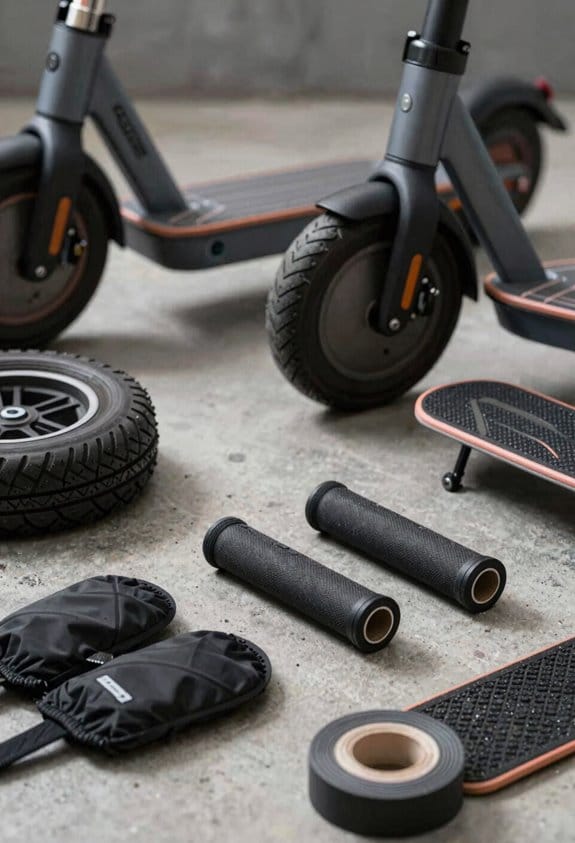
Ever notice how the weather can flip from snow to heat in a single day, leaving your scooter feeling off? I’ve learned a few habits that keep it running smooth no matter what the forecast throws at you.
Before Every Ride
- Check the battery level, tire tread, and brakes.
- Wipe the frame with a damp cloth and look over the IPX7‑rated display for any water spots.
Seasonal Storage
- Store the scooter in a dry garage.
- Keep the charger away from any heat source.
Maintenance Routine
Frankly, I run a quick battery calibration once a month so the range estimate stays accurate. I also tighten any bolts after rain and rotate the 10×3.0‑inch all‑terrain tires weekly, keeping them at 30 psi for better grip on wet roads.
Brake Care
I test the brakes on a flat surface before a long trip. When the pads thin to about 2 mm, I replace them right away.
Battery Health
– Schedule a full charge cycle every three months to prevent cell imbalance.
Quick Tips
Worth knowing: a full charge cycle every three months helps keep the cells balanced and the range reliable.
These habits have kept my scooter performing well all year. Have you tried any of these tricks yourself?
Frequently Asked Questions
How Does Cold Weather Affect Scooter Battery Lifespan?
I’ve found that low temperature speeds up battery degradation, causing capacity loss and reduced performance, so the scooter’s range drops and the cells wear out faster during cold weather.
Can I Ride an Electric Scooter on Salted Winter Roads?
I’d say yes, but think of your scooter as a knight on icy, salted battlefields—rust corrosion lurks, and traction loss can bite. Guard it with waterproof seals, anti‑slip decks, and winter‑tuned batteries.
Do Waterproof Displays Affect Touchscreen Responsiveness?
I’ve found that waterproof displays can cause slight capacitive degradation, but rainproof overlays usually mitigate the issue, keeping touchscreen responsiveness almost as sharp as on a standard screen.
What Is the Optimal Tire Pressure for Snowy Terrain?
Need you prefer lower pressure on studded tires for snowy terrain—about 30‑35 psi—to boost grip and cushion, letting the studs bite the snow while keeping the ride smooth and stable.
Are NFC Unlock Systems Safe in Freezing Temperatures?
I’ve found NFC access systems stay safe in freezing temps because manufacturers use cold‑proofing protocols that protect the circuitry, and the antenna performance remains reliable despite the chill.