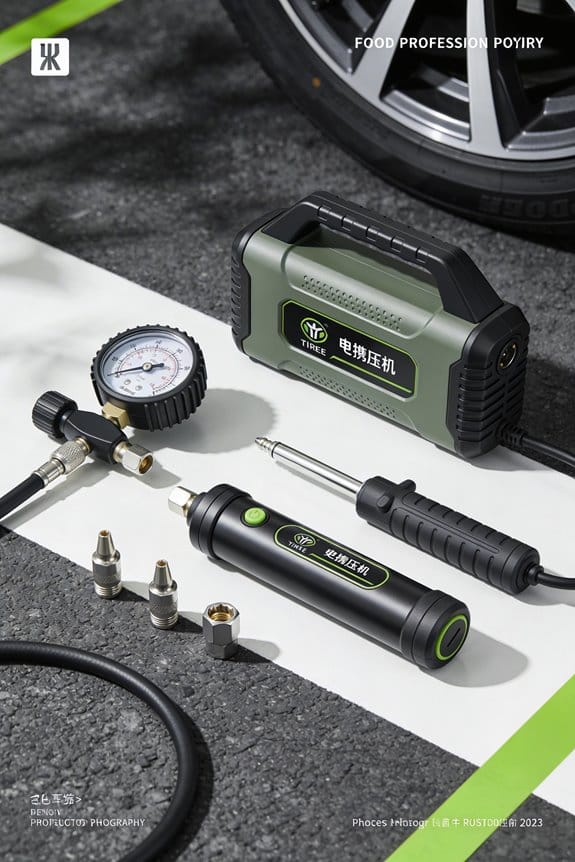

I check my tires each morning with a 0.5‑psi digital gauge and keep them at the maker’s cold‑weather PSI. For every 10 °F drop I add 1–2 psi, and for each 10 °F rise I subtract about 1 psi. I always measure when the tires are cold—after at least three hours of sitting. I use a portable gauge in my glove box and a 12‑V inflator that adjusts in 1‑psi steps. I log each reading and repeat weekly, especially after big temperature shifts, so you can follow the exact steps and avoid fuel loss.
Key Takeaways
- Check tire pressure when tires are cold (after ≥ 3 hours stationary) and adjust to the manufacturer’s recommended PSI.
- Compensate for temperature shifts by adding 1–2 PSI for every 10 °F drop and subtracting 1 PSI for every 10 °F rise.
- Use a precise gauge (0.5 PSI or finer) and make adjustments in 1–2 PSI increments, re‑checking after each change.
- Increase pressure 2–4 PSI for heavy loads or high‑speed highway driving, and lower it 1 PSI below max in extreme heat to avoid over‑inflation.
- Perform weekly cold‑morning checks, log readings, and use a TPMS alert system to catch drifts of ≈ 2 PSI promptly.
How Temperature Changes Affect Tire Pressure
Ever notice how your tire pressure seems to drop after a cold night, only to rise again when the sun comes out? It’s not a mystery – it’s just the air inside reacting to temperature. When the mercury shifts about 10 °F, you can expect the pressure to change roughly 1‑2 PSI. That’s why a quick check after a long drive can give you a false reading; the tires need to be cool, at least a few hours after you’ve been on the road.
Why it matters
- Cold air contracts, so the PSI drops, making the ride feel softer and the tread wear uneven.
- Hot air expands, pushing the PSI up, which can make the ride feel harsher and increase the risk of a blowout.
What to do
- Grab a gauge that reads in 0.5 PSI increments.
- Check the pressure when the tires are cold – preferably before you head out or after the car has sat for a while.
- If you see a 2 PSI swing from a 20 °F day‑night change, add or release air to hit the manufacturer’s recommendation.
A quick tip
Worth knowing: pick tires with a rubber compound that stays flexible across a broad temperature range. That helps keep wear even, handling steady, and fuel use consistent.
Frankly, keeping an eye on your tires isn’t just about safety; it also saves you money on fuel and tire replacements. So, next time you notice a dip in pressure after a chilly morning, give those steps a try and keep your ride smooth. Got any other tire‑care hacks you swear by?
What Happens to Tire Pressure in Cold Weather? (And Why Fuel Economy Drops)
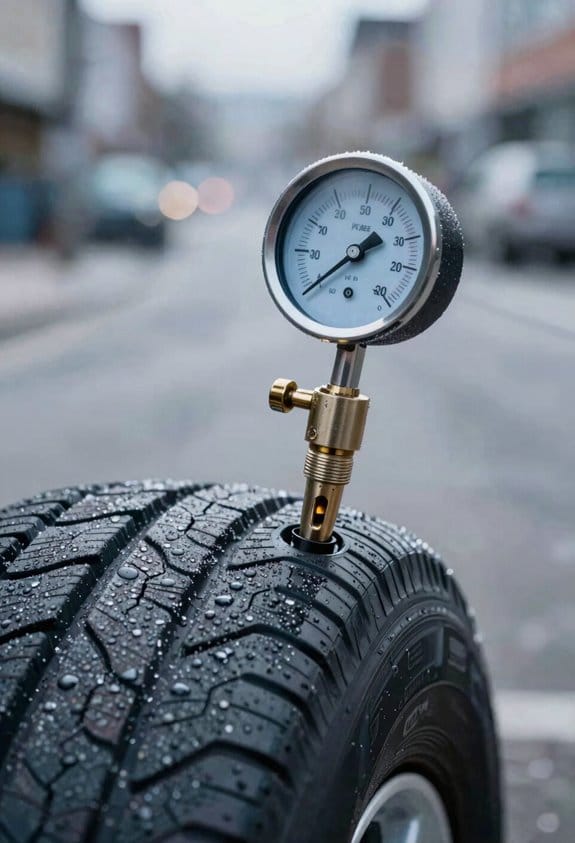
Ever notice how your tire gauge reads lower after a frosty night? That drop isn’t a mystery—it’s just air shrinking when the temperature falls. A 10 °F dip usually shaves off about 1 PSI, and if you’re pulling into the driveway after a night under 30 °F, you’ll see it right away.
When the pressure falls, the sidewalls flex more, which raises rolling resistance. That extra effort means the engine works harder, and you’ll see your fuel gauge dip roughly 0.2 % for each PSI you’re under‑inflated.
Worth knowing:
- Check your tires with a digital gauge that reads to 0.1 PSI.
- Inflate to the manufacturer’s recommended PSI while the tires are still cold.
- Add a little extra air if the reading is low, especially after a cold spell.
Keeping the right pressure does more than save a few cents on gas. It also gives you better handling, less uneven wear, and a smoother ride. A quick weekly check can keep everything stable all through winter.
Frankly, you don’t need a fancy setup—just a reliable gauge and a habit of checking before you head out.
Try this: set a reminder on your phone for every Sunday morning. When you pull the gauge, note the reading and top off if needed. It only takes a minute, but the payoff shows up in steadier handling and a tiny boost in mileage.
Do you think a few minutes of checking could save you a few dollars on fuel?
Give it a go this week and see how your car feels. Ready to keep your tires happy and your wallet a little fuller?
Summer Heat, Tire Pressure & Overinflation Risks
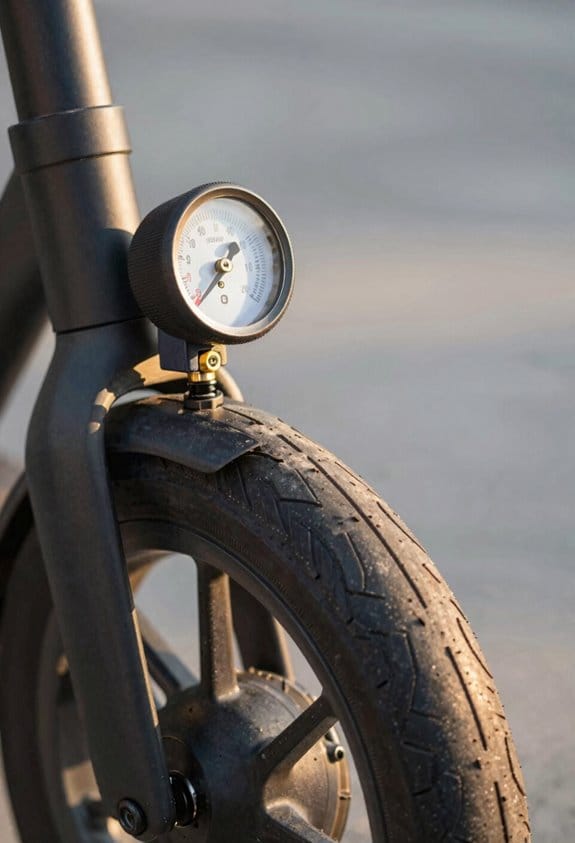
Ever notice how your tire pressure jumps after a day in the sun? When the temperature climbs about 10 °F, the air inside expands and the gauge can read roughly 1 PSI higher. I’ve seen a 35 PSI tire hit 40 PSI by mid‑afternoon on a scorching parking lot. That’s right at the edge of over‑inflation for most passenger tires, and it can lead to a blowout, uneven wear, or a loss of grip.
Fair warning: If you’re planning a long drive after a hot day, check your pressure before you hit the road. A portable gauge is cheap and saves you from a nasty surprise on the highway. I keep my tires set 2–3 PSI below the manufacturer’s max whenever the forecast tops 85 °F. That little buffer helps the tires stay flexible and safe.
Try this: carry a small air‑release valve in your trunk. When you see the gauge creep up, a quick press will bring the pressure back to a comfortable level. It’s a simple habit that takes seconds but can prevent a costly repair later.
- Check your tires in the morning, before the sun does its work.
- Re‑check after a long, hot parking session, especially if you notice a higher reading.
Worth knowing: Most passenger tires are rated up to 44 PSI, but that’s a hard limit. Staying a few PSI below it gives you a safety margin for temperature swings. It also means the tire’s contact patch stays even, improving handling and fuel economy.
If you’re curious about how temperature affects your car, look at the sidewall for the “max cold pressure” rating. That number is measured at 59 °F (15 °C). Anything higher after a hot day is just the heat doing its thing. Adjusting down a bit keeps you in the sweet spot.
When to Check Tire Pressure: Cold‑Start vs. Warm‑Road Readings
Ever wonder why your tire gauge sometimes says a different number after a short drive?
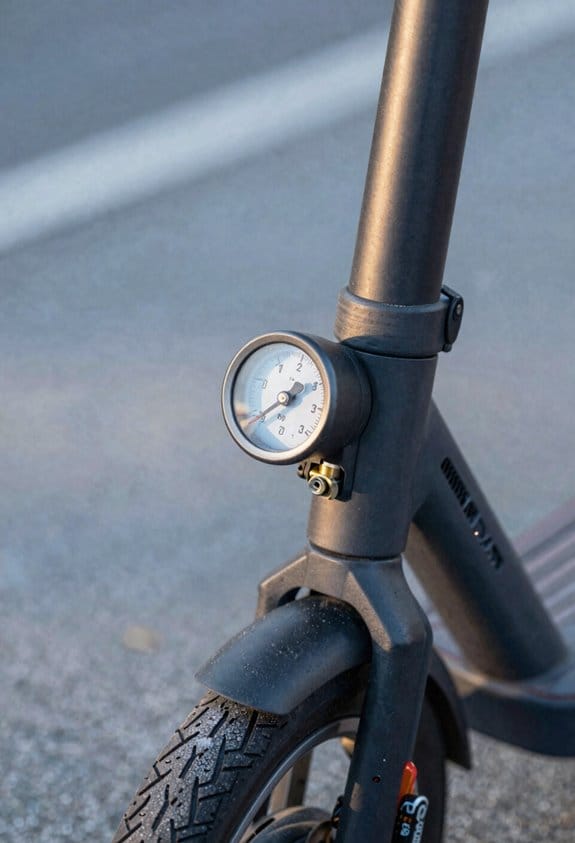
I usually check my tires before I hit the road, using a cold‑start reading after the car’s been sitting at least three hours. I glance at the visual gauge on the inflator, note the PSI, and compare it to the manufacturer’s spec. If you’ve driven more than 15 minutes, the tires warm up and the reading can be 2‑4 PSI higher, so I avoid using that warm‑road value for adjustments.
Fair warning: checking in the morning or late evening, when the tires are still cold, helps you stay on target. This habit keeps you from over‑inflating, protects tread, and keeps fuel use steady.
Worth knowing:
- Schedule your measurement for a time when the car hasn’t been moving.
- Repeat the check weekly in winter and after any long summer trip.
Here’s the trick: keep a small notebook in the glove box and jot down the PSI you recorded each time. Over a few weeks you’ll see a pattern and can spot any slow leaks before they become a problem.
If you ever wonder whether the reading feels off, remember that a warm tire can read 2‑4 PSI higher than a cold one. That small difference can add up, especially if you’re trying to keep fuel efficiency steady.
Do you already have a tire‑checking routine, or is this the first time you’re thinking about it?
Give it a try and see how steady your ride feels.
What’s your next step for keeping those tires happy?
Adjust Tire Pressure for Seasonal Extremes – Step‑by‑Step
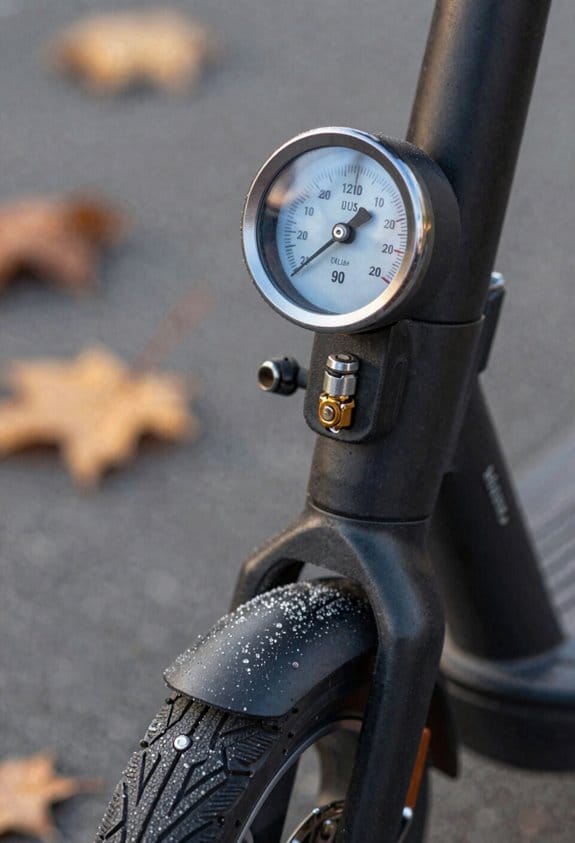
Ever notice how a sudden cold snap or a scorching summer day can make your car feel off? When the temperature shifts far from the norm, your tire pressure can drift, and that affects handling, fuel economy, and safety. Here’s a simple routine that keeps your tires in the right zone all year round.
First, grab a portable gauge and check the cold‑read reading first thing in the morning or late at night—when the tires haven’t warmed up from driving. Compare that number to the PSI target listed in your car’s manual for the current season. If it’s low, a handheld inflator with a built‑in calibration dial lets you add air in small steps—about 1‑2 PSI for every 10°F drop. If the pressure is too high, press the release valve in short bursts and watch the gauge until it lines up with the target. After each tweak, re‑check the gauge and jot the final figure in your log. This habit keeps your tires balanced through winter freezes and summer heat.
Try this:
- Use the gauge before you head out, not after a long drive.
- Add or release air in 1‑2 PSI increments; big jumps can overshoot the sweet spot.
When you’re done, you’ll notice smoother rides and better fuel mileage. Have you ever tried a seasonal tire‑pressure check before? Give it a go and see how much difference a few PSI can make.
Pick the Right PSI for Load & Driving Style
Ever wondered why your tires feel off after a long haul? The trick is matching the PSI to what you’re carrying and how you drive.
First, check the vehicle’s cargo capacity. If you’re hauling heavy freight, bump the pressure up 2‑4 psi above the standard rating. Light loads? Stick to the manufacturer’s recommendation.
Next, think about your driving habits. Highway cruising needs a firmer tire for stability, so add 1‑2 psi. City streets with lots of stops call for a softer feel, so keep the pressure at the base level.
Worth knowing:
- Use a digital gauge that reads to 0.1 psi.
- Set the pressure when the tires are cold.
I log the setting and re‑check weekly, especially after temperature shifts. This habit saves wear and keeps handling consistent.
Frankly, a little attention to PSI can make a big difference in fuel economy and tire life.
Give it a try and see how smoother your rides become.
What’s your go‑to method for checking tire pressure?
Heat‑Minimizing Tips for Maintaining Proper Tire Pressure
Ever notice how a scorching afternoon can make your tires feel like they’re about to pop? I’ve learned a few tricks that keep the pressure steady without a lot of hassle.
Shade is your friend
Parking under a tree or a covered spot isn’t just about staying cool inside the car—it keeps the rubber from heating up, which can push the PSI up by a few points. When the sun’s beating down, I try to find any shade I can, especially on those long, hot days.
Garage time
If you have a garage, use it. Storing the car there during peak heat keeps the ambient temperature stable, so the tires don’t expand as much. It’s a simple way to avoid those sudden pressure spikes.
Check before you go
I always grab my digital gauge before I hit the road. I set the pressure a little lower than the maker’s recommendation—usually one PSI less—to give a little room for the heat‑induced rise. It’s a quick habit that saves a lot of worry later.
Sensors that talk back
Installing a tire‑pressure monitoring system has been a game‑changer for me. The alerts pop up when the pressure drifts by about two PSI, so I can fix it before it becomes a problem.
Heat‑resistant tires
I went for tires that list a sidewall rating of 150 °F. Those compounds handle the heat better and stay closer to the pressure you set, even when the pavement is blazing.
Rotate on schedule
Rotating the tires every 10,000 km keeps wear even, which means pressure stays uniform across all four wheels. It’s a small step that pays off in the long run.
Worth knowing:
- Keep an eye on the temperature when you fill the tires; a cooler morning read is more accurate.
- If you notice the pressure creeping up quickly, double‑check that the tires aren’t over‑inflated from the start.
Frankly, a little planning goes a long way. Have you tried any of these tips yet? Let me know how they work for you.
Your Weekly Winter & Summer Tire‑Pressure Checklist
Ever wonder why your car feels sluggish after a cold morning? You’re not alone—tire pressure changes with temperature, and a quick check can save you money and headaches.
Cold‑morning check
Grab your portable gauge and read the PSI when the tires are still cold. Jot the number in your pressure log, then drive a short block to let the wheels warm up. Once the car’s heated, measure again and adjust to the maker’s target—usually 32 PSI for winter and 35 PSI for summer.
Friday routine
Every Friday, repeat the cold‑check, record any change, and compare it to the rule of 1‑2 PSI per 10 °F. While you’re at it, glance at wear patterns and rotate if needed. Keep the gauge in your glove box for quick access.
Emergency kit tip
A spare tube and a mini‑pump in the trunk let you fix a sudden loss without delay. It’s a small extra that pays off when you’re on the road.
Worth knowing:
- Check pressure before long trips.
- Store the gauge where you’ll see it.
Frankly, keeping pressure stable boosts fuel economy and safety. Have you tried this routine yet? Let’s keep those tires happy and the ride smooth.
How to Spot Leaks, Sensor Errors & Prevent Blowouts
Ever had a tire feel a little off and wonder if it’s a slow leak or just your imagination? You’re not alone—those tiny issues can turn into a blowout if you skip a quick check.
Spotting the leak
Grab some soapy water and give the tread and sidewalls a good spray. If bubbles form, you’ve found the spot. Look at the valve stem, too; any corrosion can let air slip out. When the seal starts to deteriorate, the tread may pull away from the bead and you’ll hear a faint hiss.
What to trust
A digital sensor that reads pressure within ±0.5 psi is a solid friend. It will ping you if the pressure drops suddenly, giving you time to act before things get serious. If the sensor quits, replace it with a model that comes with a 5‑year warranty and a built‑in temperature compensator.
Tools that help
- A portable air gauge that measures down to 0.1 psi.
- A 12‑V inflator that adds air in 1‑psi steps.
Routine matters
Do a quick visual check each week, and give the tires a once‑over after any extreme weather. Those regular checks keep the blowout risk low and your rides smooth.
Worth knowing: if you hear a hiss or see a steady loss of pressure, don’t wait—address it right away.
Truth is, a little time now saves you from a big problem later. Got any favorite tire‑care tricks you swear by?
Frequently Asked Questions
Can Tire Pressure Affect Electric‑Vehicle Range?
I’ll tell you that low pressure raises rolling resistance, sapping battery efficiency, so your EV’s range drops; keeping tires properly inflated cuts drag, maximizes battery efficiency, and extends miles per charge.
Do Tire Pressure Sensors Work Accurately in Extreme Heat?
I’ve found sensor drift can creep in under extreme heat, so I regularly check the readings and schedule calibration needs to keep the pressure data reliable for safe driving.
Should I Inflate Tires Differently for Off‑Road Versus Highway Use?
I’d keep a slightly lower PSI for off‑road to boost traction tuning, then raise it closer to the manufacturer’s spec on highways for stability and fuel efficiency. Adjust by about one or two PSI per terrain change.
How Often Should I Replace Tires That Have Been Consistently Under‑Inflated?
I’d replace them every 40‑50 k miles if under‑inflation’s caused noticeable tread degradation or sidewall cracking, because those signs mean the structure’s compromised and safety’s at risk.
Can High‑Altitude Locations Change Recommended Tire Pressure?
I tell you that high‑altitude locations do affect recommended tire pressure, so I always make altitude adjustments and do a fresh pressure calibration before driving, especially after a big elevation change.