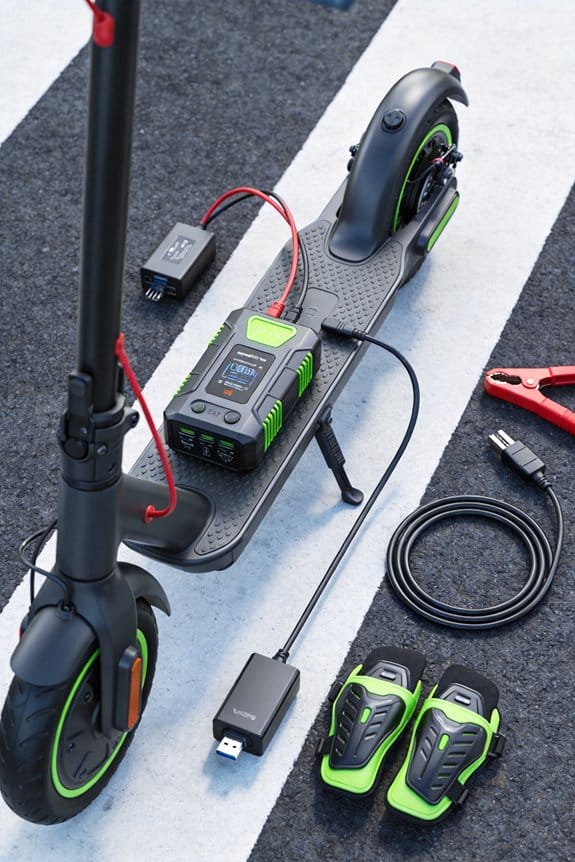

I use a 12‑V lithium‑ion jump starter because it’s light, stores 20 Ah, and can deliver 1500 A peak for a dead engine in under five seconds. It shows voltage, charge level, and temperature on an LCD, and a USB‑C port lets me charge phones or a small fridge while I wait. The unit has LED flashlight, short‑circuit protection, and a three‑year warranty, making it safe for glove‑box storage and long road trips. If you keep reading, you’ll see how to pick the right amp rating and maintain it seasonally.
Key Takeaways
- Compact, high‑current jump starters can revive dead batteries in under 30 seconds, keeping long trips on schedule.
- Integrated USB‑C and LED flashlight add versatile power for gadgets and emergency visibility without extra gear.
- Lithium‑ion cells are lighter and retain charge longer than lead‑acid, fitting easily in glove boxes or backpacks.
- Built‑in short‑circuit and over‑charge protection ensure safe use across diverse road conditions and climates.
- Owning a portable jumper avoids costly roadside‑assistance calls, saving $30‑$40 annually over its multi‑year lifespan.
Keep Your Car Moving on Long Road Trips With a Portable Jump Starter
Ever found yourself stranded on a highway because the battery died? It’s a nightmare, especially when you’ve got miles of open road ahead. A solid portable jump starter can be a lifesaver, and I’ve got a setup that works great for long trips.
I’m talking about a 12‑V, 1500 A model that packs a 20 Ah lithium‑ion battery. It comes with a three‑year warranty, an LED flashlight, a USB‑C port, and short‑circuit protection. The LCD screen shows charge level, voltage, and temperature, so you always know it’s safe to use. Weighing about 1.2 kg, it slides into a glove box without any hassle.
Worth knowing:
- Charge it fully before you hit the road.
- If you won’t use it for more than a month, store it at roughly 50 % capacity.
- Keep it away from extreme heat and never over‑charge it.
The device can jump‑start a dead engine in under five seconds, power a phone, or even run a small fridge while you wait for help. Its flashlight comes in handy for night‑time emergencies, and the USB‑C port lets you charge gadgets on the go.
I keep it in my emergency kit alongside a tire‑inflator and first‑aid supplies. That way, if anything goes wrong, I’m ready. The unit’s compact size and quick‑charge ability make it a perfect travel companion.
Frankly, the only thing you need to remember is to follow the battery etiquette. A well‑maintained jump starter will stay reliable trip after trip. Have you tried a similar setup on your adventures? Feel free to share what’s worked for you.
Choose Lithium‑Ion Portable Jump Starters Over Lead‑Acid for Distance Travel
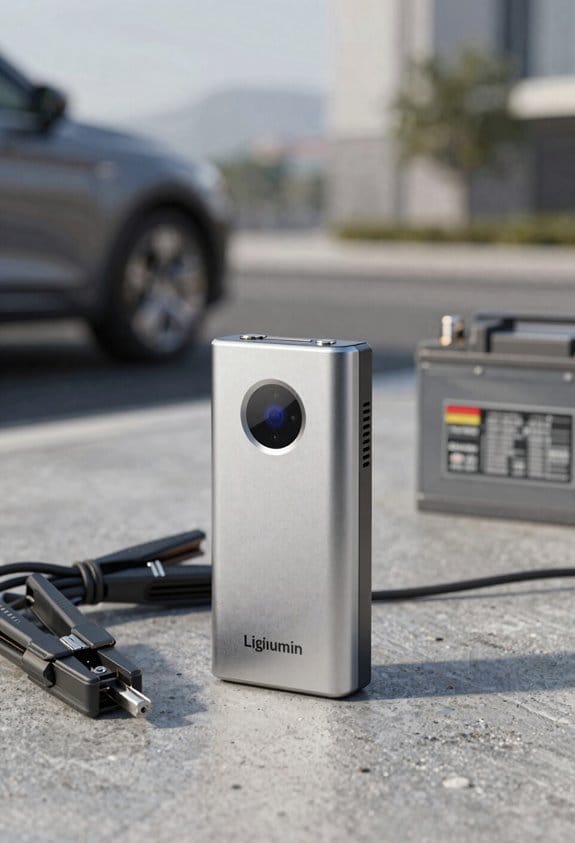
Ever found yourself lugging a heavy jump starter on a road trip and wondering if there’s a lighter option? I’ve been there, and swapping to a lithium‑ion model made a big difference for my long‑distance drives.
Lithium‑ion cells weigh about 30 % less than their lead‑acid cousins, so you can free up space for extra gear without slowing the vehicle down. They still crank out up to 800 A bursts, which is plenty for modern SUVs and RVs, and they stay under 400 g. The charge can sit for a year, meaning you won’t be stuck with a dead unit after a month‑long trek.
Fair warning: transport rules often restrict heavy lead‑acid batteries on cargo planes and ferries. Lithium‑ion units usually meet airline and maritime standards, so you won’t have to worry about extra paperwork or fees.
Worth knowing: look for models that include USB ports, an LED flashlight, short‑circuit protection, and a built‑in charger. Those features let you keep the jump starter ready at rest stops without needing extra tools or a service call.
If you’re planning a trip that involves a lot of gear, the weight savings alone can make the journey smoother. Plus, the longer shelf life means you won’t have to recharge it every few weeks.
Protect Your Portable Jump Starter in Extreme Weather
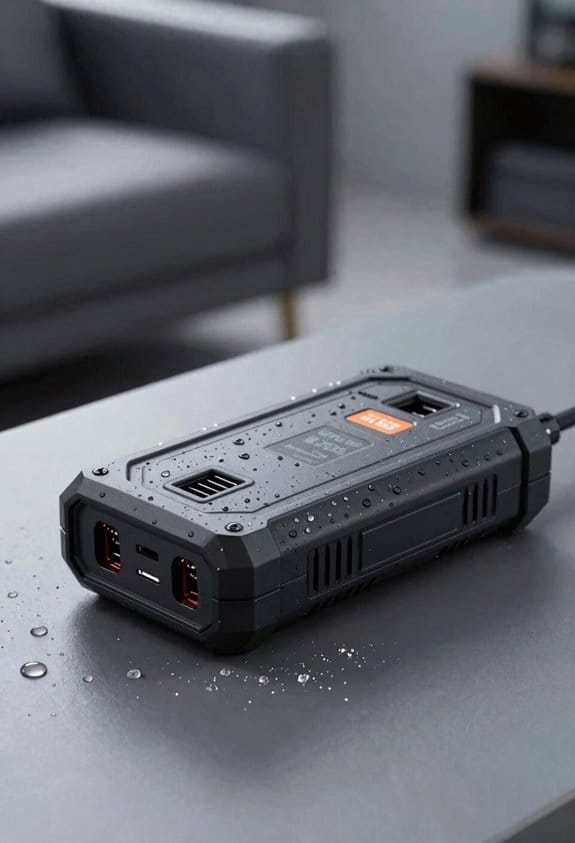
Ever had a jump starter that just quits when the weather turns crazy? When temperatures dip below ‑20 °C or climb past 45 °C, a lithium‑ion unit can lose power fast if you don’t protect it.
Here’s the trick: keep the starter in a case that can handle thermal stress and keep the cells stable. A humidity‑proof bag blocks moisture that would otherwise cause corrosion.
Frankly, I never leave it in a car trunk on a hot summer day, and I steer clear of direct snow or rain. A spare charger tucked in an insulated pouch helps on cold mornings, and I glance at the voltage indicator every week.
Worth knowing: these habits keep performance up, extend the life of the battery, and make sure you have reliable power when you need it most.
Got any other tips for battling extreme temps? Let’s hear them!
Select the Right Amp Rating for Your Vehicle’s Size
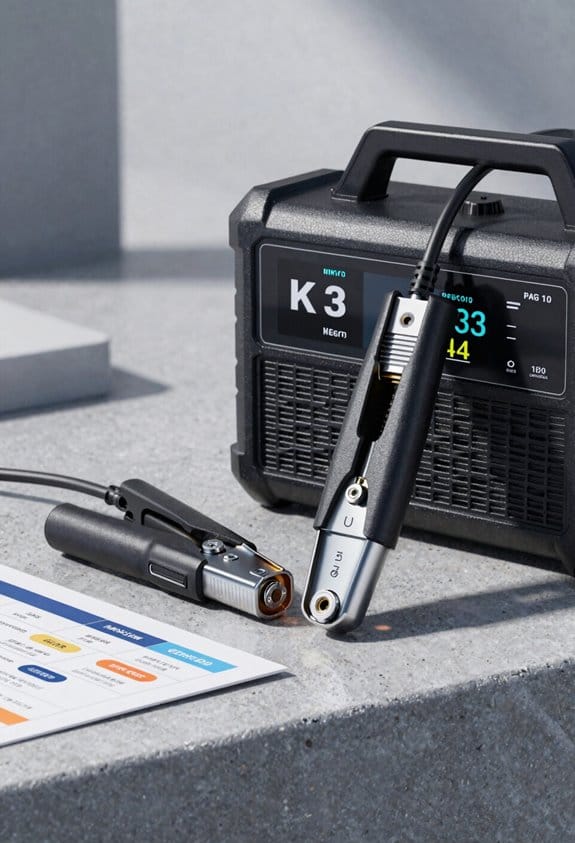
Ever found yourself staring at a dead battery and wondering why your starter never seems to have enough juice? The trick is matching the amp rating to your vehicle’s size and engine demand.
For a compact sedan, aim for a starter that can crank 400‑600 A. That range usually gives you enough power without overloading the system. If you drive a midsize SUV, bump it up to 600‑800 A—those bigger engines need a little extra punch. Heavy‑duty trucks often require 1000 A or more, especially if you’re pulling a trailer or climbing steep hills.
First, check your battery’s voltage. Most cars run on 12 V, while some trucks use 24 V. Make sure the starter you pick matches that voltage, or you could damage the electronics. Look for a built‑in safety circuit and short‑circuit protection; they’re small features that can save you a lot of trouble later. A clear LED indicator is also handy so you can see at a glance if everything’s working.
Worth knowing: a lithium‑ion pack is a solid choice because it holds its charge longer and weighs less than a traditional lead‑acid battery. Keep the device in the trunk, away from extreme heat, and run the self‑check feature monthly to catch any issues early.
Frankly, you don’t need a fancy setup—just a starter that meets the amp and voltage specs for your ride. Do you feel confident picking the right rating now?
What’s the next step for you? Grab the right amp‑rated starter and give your vehicle the power it deserves.
Key Features for Off‑Road and RV Jump Starters
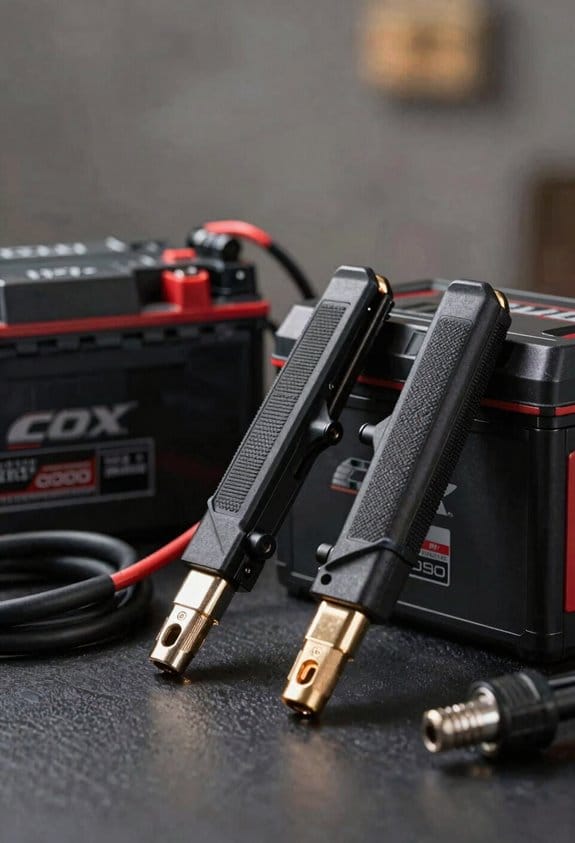
Ever found yourself stuck on a dusty trail with a dead battery and no power outlet in sight? You need a jump starter that can handle the rough stuff and keep up with long trips.
First, match the amp rating to your vehicle’s size. A 1200 A peak current is enough to crank a full‑size RV or a diesel truck without straining the unit. I always pick a model with a waterproof casing—mud, rain, and dust are inevitable on off‑road trails, and you don’t want the electronics getting soaked. Thermal insulation is a must too; it stops the battery from freezing at a cold campsite or overheating on a desert route.
Next, think about the extras that make life easier on the road. Built‑in LED lights are handy for night‑time repairs, and USB ports let you charge phones without hunting for an outlet. A 12 V car charger gives you power for other accessories, like a portable fridge or a small fan.
Weight and size matter when you’re packing tight. Look for a unit under 2 kg that fits neatly on a roof rack or in a storage compartment. Short‑circuit protection and over‑charge control are non‑negotiable safety features, so you don’t have to worry about accidents while you’re focused on the trail.
Worth knowing:
- Waterproof case protects against mud, rain, and dust.
- Thermal insulation keeps the battery stable in extreme temps.
- 1200 A peak current handles RVs and diesel trucks.
If you’re riding through varied climates, a jump starter that stays cool in the desert and warm in the frost is a real lifesaver. The LED lights double as a work lamp, and the USB ports keep your phone alive for navigation and emergency calls. A lightweight design means you can stash it without sacrificing cargo space, and the built‑in safety circuits give you peace of mind.
Frankly, the best setups combine power, durability, and convenience without adding bulk. You’ll want a unit that’s ready for anything, from a muddy back‑country road to a high‑altitude campsite.
Buy a Reliable Portable Jump Starter: Online vs. In‑Store
Where should you shop for a reliable portable jump starter—online or in‑store? I compare both options for you. Online sites list many brands, show price ranges, and let you read reviews before buying. You can filter models by 400 A peak current, 12 V output, lithium‑ion cells, and USB ports. Warranty verification is easy with digital receipts and tracking numbers. In‑store you can hold the unit, test the LED flashlight, and ask staff about local returnability if it fails. Stores often carry the same 3‑year warranty, but you can walk out with a replacement same day. For long‑distance rides, choose a model that fits a 15‑lb backpack, charges a dead car battery in under 30 seconds, and includes short‑circuit protection. Both channels meet safety standards, but decide based on how quickly you need the product and the level of hands‑on inspection you prefer.
Frankly, buying online gives you a huge selection and quick price checks. You can scroll through specs, read user photos, and see which models have the best battery life. The checkout process is a breeze, and most sites ship within a couple of days.
Here’s the trick: when you walk into a store, you get to feel the weight and test the flashlight right then and there. Staff can point out any quirks and tell you how the warranty works locally. If you need a jumper fast, the same‑day replacement can save you a lot of hassle.
Worth knowing: both channels meet safety standards, so your choice really hinges on convenience versus hands‑on inspection.
Which option fits your schedule and comfort level?
Store and Maintain Your Portable Jump Starter Seasonally
Ever had your portable jump starter die right when you need it most? It’s a frustrating feeling, especially when you’re heading out for a winter road trip or a summer camping adventure. The good news is that a little bit of seasonal care can keep it ready for any situation.
I usually keep the unit in a cool, dry spot—think a garage shelf or a climate‑controlled closet—when it’s not in use. Aim for a temperature between 10‑20 °C, and stay clear of direct sunlight and moisture. Before you stash it for the long haul, I give the battery a quick cycle: charge it up to about 80 %, let it rest, then let it drop to roughly 30 % using the built‑in LED or the USB port. Doing this every three months helps stop capacity loss.
Worth knowing:
- Store the jump starter in its original case and cover the terminals with silicone caps.
- Check the voltage before each season; a fully charged 12‑V lithium‑ion model should read around 12.6 V.
- If the voltage falls below 12.0 V, plan to replace the battery after 2‑3 years.
Keeping the device in its case protects it from dust and accidental bumps. The silicone caps keep any moisture out of the terminals, which can cause corrosion over time. When you’re ready to use it again, just give it a quick charge check and you’re set.
Frankly, the routine isn’t complicated, but it makes a big difference. You’ll avoid the dreaded “dead battery” moment and keep your jump starter reliable for every road trip, camping night, or off‑road trek you take.
Got a tip of your own for storing jump starters? Share it below!
Calculate Savings vs. Roadside Assistance Costs
Ever found yourself stuck on the side of the road with a dead battery and a phone that’s about to die? Those roadside‑assistance calls can really add up. A typical call runs $80‑$120 per incident, and you still have to cover a $15‑$20 dispatch fee.
Now, picture a lithium‑ion jump starter sitting in your trunk. They usually sell for $70‑$110 and pack 800 A peak current, a 12 V output, USB ports, an LED light, and a 5‑year warranty. If you average two calls a year, you’re looking at $200‑$280 in service costs versus a one‑time $90 purchase.
Frankly, the math is simple. Over a five‑year lifespan the jump starter saves you about $30‑$38 each year after the first. It also works on RVs, motorcycles, and cars, so you won’t keep paying repeat fees on every flat‑tired adventure.
Worth knowing: the device gives you power on remote trips, meaning you’re not relying on a stranger’s schedule.
- One‑time cost: $90 (average price)
- Annual roadside‑assistance cost: $200‑$280 (if you call twice)
Try this: keep the jump starter in your trunk and only call for help when you truly need it. Your wallet will thank you, and you’ll have peace of mind on those long drives.
Ready to ditch the extra fees and stay powered up?
Add a Portable Jump Starter to Your Emergency Kit and Travel Routine
Ever found yourself stranded on a cold road with a dead battery and no help in sight? Adding a portable jump starter to your emergency kit can change that.
When you slip a 12‑V, 800‑A lithium‑ion jump starter into your glove box or backpack, you get a power source that’s light enough to carry—about 350 g—and strong enough to deliver 1500 mAh. It comes with a USB‑C port, an LED flashlight, and short‑circuit protection, so you’ve got a few extra tools in one compact device.
Frankly, the jump starter can bring a dead car battery back to life in under 30 seconds, and it revives an RV or motorcycle battery in under two minutes. I’ve used it on long trips through cold regions where battery drain spikes, and it’s saved me from countless roadside‑assistance calls. The device charges from a wall outlet or a solar panel, holds its charge for about a year, and meets all safety standards.
Worth knowing:
- Keep a basic first‑aid kit and a backup navigation device in the same bag.
- Charge the jump starter regularly, especially before a long trip.
- Store it in a dry place to protect the lithium‑ion cells.
The jump starter’s quick charge time means you can get back on the road without waiting for help. It’s also handy for powering small electronics through the USB‑C port when you’re camping or stuck without power. The built‑in LED flashlight comes in handy at night, and the short‑circuit protection gives you peace of mind.
Try this: pack the jump starter alongside your emergency supplies before any road trip, and you’ll feel more confident facing unexpected battery failures.
Do you think a portable jump starter could become your go‑to travel companion? Give it a try and see how much smoother your trips become.
Frequently Asked Questions
How Does Altitude Affect Portable Jump Starter Performance?
I once tried a jump starter at 9,000 ft and saw its voltage dip, so higher altitude reduces capacity; cold starts become trickier because thinner air limits discharge efficiency, shrinking peak power.
Can a Jump Starter Power a Refrigerator in a Camper?
I’ll tell you it can, but only if the jump starter’s battery capacity supports the refrigerator’s runtime and you pair it with a proper inverter that matches the wattage and voltage requirements.
What’s the Ideal Storage Temperature Range for Lithium‑Ion Units?
I keep my lithium‑ion units between 20 °F and 80 °F (‑6 °C to 27 °C) for ideal temps; storage tips include avoiding extreme heat, keeping them partially charged, and sealing them from moisture.
Do Jump Starters Interfere With Vehicle Electronic Systems?
I’ve found they rarely interfere; proper shielding keeps EMI concerns low, and reputable units protect ECU safety, so you can jump‑start without worrying about your car’s electronics.
How Many Recharges Can a Jump Starter Provide Before Battery Degradation?
I’ve found most lithium‑ion jump starters deliver roughly 300‑500 cycles before noticeable capacity retention drops, so you can expect a few hundred recharges before degradation becomes a concern.